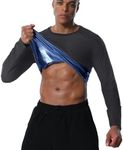
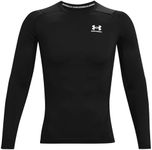
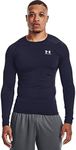
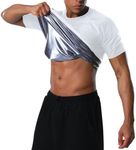
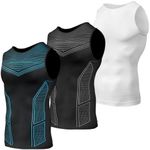
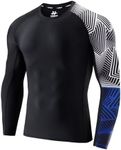
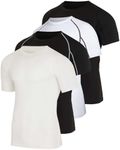
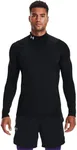
Buying Guide for the Best Men's Compression Shirts
When choosing a men's compression shirt, it's important to consider several key factors to ensure you get the best fit and performance for your needs. Compression shirts are designed to provide support, improve circulation, and enhance your workout or recovery. Understanding the different specifications and how they relate to your personal requirements will help you make an informed decision.MaterialThe material of a compression shirt is crucial as it affects comfort, breathability, and durability. Common materials include polyester, nylon, and spandex blends. Polyester is known for its moisture-wicking properties, keeping you dry during intense workouts. Nylon is durable and resistant to wear and tear, while spandex provides the necessary stretch for a snug fit. If you need a shirt for high-intensity workouts, look for moisture-wicking and breathable fabrics. For everyday wear or recovery, a softer, more comfortable material might be preferable.
Compression LevelCompression levels can vary from light to high. Light compression offers gentle support and is suitable for everyday wear or low-impact activities. Medium compression provides more support and is ideal for moderate workouts and recovery. High compression offers the most support and is best for intense workouts or medical purposes. Your choice should depend on the level of support you need. For general fitness, medium compression is often sufficient, while athletes or those recovering from injuries might benefit from high compression.
FitThe fit of a compression shirt is important for both comfort and effectiveness. A proper fit should be snug but not restrictive, allowing for a full range of motion. Compression shirts come in various fits, including tight, regular, and loose. A tight fit is ideal for maximum compression benefits, while a regular fit offers a balance between comfort and support. Loose fits are generally not recommended for compression purposes but can be more comfortable for casual wear. Consider your activity level and personal comfort when choosing the fit.
Seam ConstructionSeam construction affects the durability and comfort of a compression shirt. Flatlock seams are designed to minimize chafing and irritation, making them ideal for prolonged wear. Reinforced seams add durability, especially in high-stress areas. If you plan to wear the shirt for extended periods or during intense activities, look for flatlock seams to prevent discomfort. For heavy use, reinforced seams can ensure the shirt lasts longer.
Moisture-WickingMoisture-wicking properties help keep you dry by drawing sweat away from your skin. This is particularly important during high-intensity workouts or in hot climates. Shirts with good moisture-wicking capabilities can prevent chafing and discomfort caused by sweat accumulation. If you sweat a lot or engage in intense physical activities, prioritize shirts with advanced moisture-wicking technology to stay comfortable and dry.
UV ProtectionSome compression shirts offer UV protection, which can be beneficial if you spend a lot of time outdoors. UV protection helps shield your skin from harmful sun rays, reducing the risk of sunburn and long-term skin damage. If you often exercise outside or participate in outdoor sports, consider a shirt with built-in UV protection to safeguard your skin.
Odor ControlOdor control features, such as antimicrobial treatments, help prevent the buildup of bacteria that cause unpleasant smells. This is especially useful if you plan to wear the shirt for extended periods or during intense workouts. If you are concerned about odor, look for shirts with antimicrobial properties to keep you feeling fresh.