Buying Guide for the Best Memory Foam Mattress Covers
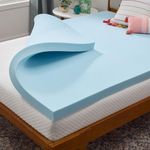
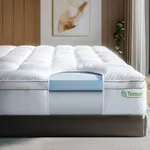
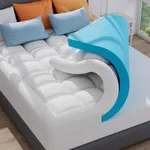
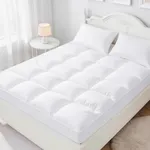
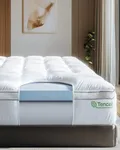
Choosing the right memory foam mattress cover can significantly enhance your sleep quality and comfort. Memory foam mattress covers are designed to provide additional support, comfort, and protection for your mattress. When selecting a memory foam mattress cover, it's important to consider several key specifications to ensure you find the best fit for your needs. Here are the key specs to look out for and how to navigate them.ThicknessThickness refers to the depth of the memory foam layer in the mattress cover. This spec is important because it affects the level of support and comfort the cover provides. Thickness can range from 1 inch to 4 inches or more. A thinner cover (1-2 inches) is suitable for those who want a slight enhancement to their mattress without drastically changing its feel. A medium thickness (2-3 inches) offers a balance of comfort and support, ideal for most sleepers. A thicker cover (3-4 inches) provides maximum cushioning and is best for those who need extra support or have a firm mattress. Consider your current mattress and your personal comfort preferences when choosing the thickness.
DensityDensity measures the weight of the memory foam per cubic foot and is an indicator of the foam's quality and durability. Higher density foam (4-5 lbs/ft³) offers better support and longevity but may feel firmer. Medium density foam (3-4 lbs/ft³) provides a good balance of comfort, support, and durability. Lower density foam (2-3 lbs/ft³) is softer and more affordable but may not last as long. Choose a density based on your need for support and how long you want the cover to last. Higher density is better for those needing more support or with heavier body weight.
Material CompositionMaterial composition refers to the types of materials used in the memory foam and the cover fabric. This spec is important for comfort, breathability, and hypoallergenic properties. Look for memory foam that is CertiPUR-US certified, which means it is made without harmful chemicals. The cover fabric should be breathable and soft, such as cotton or bamboo, to enhance comfort and regulate temperature. If you have allergies, consider hypoallergenic materials. Choose materials that align with your comfort preferences and any specific health needs.
Cooling FeaturesCooling features are designed to regulate temperature and prevent overheating during sleep. This spec is important for those who tend to sleep hot. Look for memory foam covers with gel-infused foam, open-cell structure, or phase-change materials that help dissipate heat. If you live in a warmer climate or are prone to night sweats, cooling features can significantly improve your sleep quality. Evaluate your personal temperature regulation needs when considering this spec.
Cover DesignCover design includes the construction and additional features of the mattress cover, such as removable and washable covers, anti-slip bottoms, and fitted or elasticized edges. This spec is important for ease of maintenance and ensuring the cover stays in place. A removable and washable cover is convenient for keeping the mattress clean. Anti-slip bottoms help keep the cover in place, especially if you move a lot during sleep. Fitted or elasticized edges ensure a snug fit on your mattress. Consider your lifestyle and maintenance preferences when choosing the cover design.
CertificationsCertifications indicate that the memory foam mattress cover meets certain safety and quality standards. This spec is important for ensuring the product is free from harmful chemicals and safe for use. Look for certifications such as CertiPUR-US, OEKO-TEX, and GREENGUARD. These certifications ensure the foam is made without harmful substances and the cover is safe for sensitive individuals. If you prioritize health and safety, certifications are a key factor to consider.