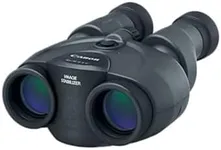
Buying Guide for the Best Marine Binoculars With Image Stabilization
Choosing the right marine binoculars with image stabilization can greatly enhance your experience on the water. These binoculars are designed to provide clear and steady views even in rough conditions, making them essential for boating, sailing, and other marine activities. When selecting the best pair for you, consider the key specifications that will impact performance and usability. Understanding these specs will help you make an informed decision based on your specific needs and preferences.MagnificationMagnification refers to how much closer the binoculars can make distant objects appear. For marine use, a magnification of 7x is often recommended because it provides a good balance between field of view and stability. Higher magnifications, like 10x or more, can make the image appear closer but may also be harder to keep steady, even with image stabilization. Choose a magnification that allows you to see clearly without excessive shaking, considering the typical conditions you'll be using the binoculars in.
Objective Lens DiameterThe objective lens diameter is the size of the front lenses, measured in millimeters. Larger diameters, such as 50mm or 42mm, allow more light to enter the binoculars, resulting in brighter and clearer images, especially in low-light conditions. However, larger lenses also make the binoculars bulkier and heavier. For marine use, a balance between size and light-gathering capability is important. If you often find yourself in dim lighting or twilight conditions, opt for larger lenses. Otherwise, a smaller diameter may be more convenient.
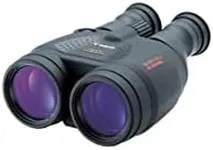
Image StabilizationImage stabilization technology helps to reduce the effects of shaking and movement, providing a steadier view. This is particularly important on the water, where waves and boat motion can make it difficult to keep the binoculars steady. Look for binoculars with effective image stabilization features, which can vary in quality and effectiveness. Consider how often you'll be in rough conditions and choose a model with robust stabilization if you expect frequent use in such environments.
Field of ViewField of view is the width of the area visible through the binoculars, usually measured in feet at a distance of 1000 yards. A wider field of view allows you to see more of the scene without moving the binoculars, which is useful for tracking moving objects or scanning large areas. For marine use, a wider field of view can help you spot buoys, other boats, or wildlife more easily. Choose a field of view that suits your needs for observation and navigation.
Waterproof and FogproofMarine binoculars should be waterproof and fogproof to withstand the harsh conditions of the sea. Waterproofing ensures that the binoculars can handle splashes, rain, and even brief submersion without damage. Fogproofing prevents internal fogging caused by temperature changes and humidity. Look for binoculars with reliable waterproof and fogproof ratings, such as those filled with nitrogen or argon gas. This feature is crucial for maintaining clear visibility and durability in marine environments.
Durability and Build QualityDurability and build quality are important for marine binoculars, which need to withstand rough handling and challenging conditions. Look for binoculars made from high-quality materials, such as rubber-armored coatings for shock resistance and a sturdy frame. Consider how often you'll be using the binoculars and in what conditions, and choose a model that offers robust construction to ensure longevity and reliable performance.
Weight and SizeThe weight and size of the binoculars can affect comfort and ease of use, especially during extended periods of observation. Heavier binoculars may provide better stability but can be tiring to hold for long durations. Compact and lightweight models are easier to handle and store but may compromise on some features. Consider how you'll be using the binoculars and choose a weight and size that you can comfortably manage, balancing portability with performance.