We Use CookiesWe use cookies to enhance the security, performance,
functionality and for analytical and promotional activities. By continuing to browse this site you
are agreeing to our privacy policy
Best LG Ultra Slim TVs
From leading brands and best sellers available on the web.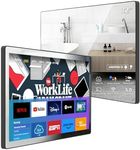


#2

LG
21%OFF
LG 50-Inch Class UQ7570 Series 4K Smart TV, AI-Powered 4K, Cloud Gaming (50UQ7570PUJ, 2022), Black
View on Amazon
#3
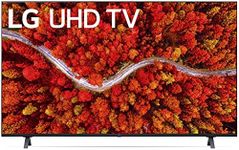
LG
LG 50-in 4K UHD TM120 Smart LED TV W/ Quad Core Intelligent Processor - 50UP8000PUR
View on Amazon
#4
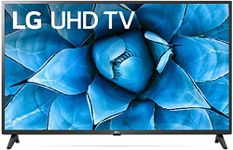
LG
LG UN73 Series 43” Alexa Built-in, 4K UHD IPS Smart TV, Bluetooth Surround Ready, Apple Airplay 2, webOS with Magic Remote (43UN7300PUF, 2020)
View on Amazon
Related Products
Up to 23% off

How do we rank products for you?
Our technology thoroughly searches through the online shopping world, reviewing hundreds of sites. We then process and analyze this information, updating in real-time to bring you the latest top-rated products. This way, you always get the best and most current options available.
Most Popular Categories Right Now


Buying Guide for the Best LG Ultra Slim TVs
Choosing the right TV can significantly enhance your viewing experience. When looking for an LG Ultra Slim TV, it's important to consider various specifications to ensure you get the best fit for your needs. Here are some key specs to look out for and how to navigate them.Screen SizeScreen size refers to the diagonal measurement of the TV screen, usually in inches. This spec is important because it determines how immersive your viewing experience will be. Smaller screens (32-43 inches) are ideal for bedrooms or small living rooms, while medium screens (50-65 inches) are great for larger living rooms. Larger screens (70 inches and above) are perfect for home theaters or spacious living areas. Consider the size of your room and the distance from which you'll be watching the TV to pick the right screen size.
ResolutionResolution indicates the number of pixels that make up the picture on the screen. Higher resolution means more detailed and sharper images. Common resolutions include Full HD (1080p), 4K (2160p), and 8K (4320p). Full HD is suitable for smaller screens and casual viewing, while 4K is ideal for larger screens and provides a more immersive experience. 8K offers the highest level of detail but is best for very large screens and future-proofing your purchase. Consider how much detail you want in your images and the type of content you watch to choose the right resolution.
Smart TV FeaturesSmart TV features refer to the built-in internet connectivity and apps that allow you to stream content, browse the web, and use various applications. This spec is important for accessing a wide range of entertainment options without needing additional devices. Basic smart TVs offer essential apps like Netflix and YouTube, while more advanced models provide voice control, app stores, and integration with smart home devices. Think about how much you use streaming services and other online features to decide which level of smart functionality you need.
Refresh RateRefresh rate is the number of times the TV updates the image on the screen per second, measured in Hertz (Hz). A higher refresh rate results in smoother motion, which is important for fast-paced content like sports and action movies. Standard refresh rates are 60Hz, 120Hz, and 240Hz. 60Hz is adequate for most viewing, while 120Hz and above are better for gaming and high-speed video. Consider the type of content you watch most frequently to determine the appropriate refresh rate for your TV.
HDR (High Dynamic Range)HDR enhances the contrast and color range of the TV, providing more realistic and vibrant images. This spec is important for improving the overall picture quality, especially in scenes with bright and dark elements. Basic HDR formats include HDR10, while more advanced formats like Dolby Vision offer even better performance. If you enjoy watching movies and shows with stunning visuals, look for a TV with good HDR capabilities.
Connectivity OptionsConnectivity options refer to the various ports and wireless capabilities that allow you to connect external devices to your TV. Common ports include HDMI, USB, and Ethernet, while wireless options include Wi-Fi and Bluetooth. This spec is important for ensuring compatibility with gaming consoles, sound systems, and other peripherals. Make sure the TV has enough ports and the right types of connections for your devices to avoid any inconvenience.
Design and Build QualityDesign and build quality encompass the aesthetics and durability of the TV. Ultra slim TVs are known for their sleek and modern look, which can complement your home decor. This spec is important for ensuring the TV fits well in your space and lasts for a long time. Consider the materials used, the thickness of the TV, and the overall design to choose a model that matches your style and needs.