Buying Guide for the Best Lateral Filing Cabinets
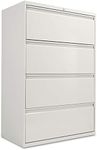
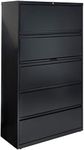
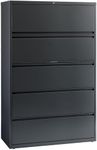
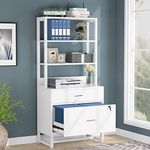
Choosing the right lateral filing cabinet can make a significant difference in organizing your workspace efficiently. Lateral filing cabinets are designed to store documents horizontally, making them easily accessible and visible. When selecting a lateral filing cabinet, it's important to consider several key specifications to ensure it meets your needs and fits well within your space.Size and DimensionsThe size and dimensions of a lateral filing cabinet are crucial because they determine how much space the cabinet will occupy and how many documents it can store. Lateral filing cabinets come in various widths, typically ranging from 30 to 42 inches, and heights, usually between 2 to 5 drawers. If you have a smaller office or limited space, a narrower and shorter cabinet might be ideal. Conversely, if you need to store a large volume of documents, a wider and taller cabinet would be more suitable. Measure your available space and consider the volume of documents you need to store to choose the right size.
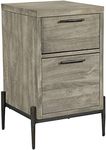
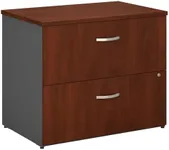
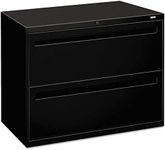
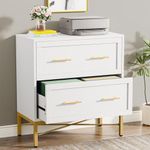
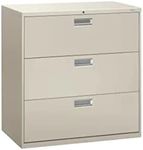
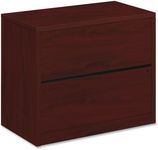
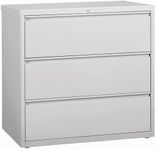
MaterialThe material of the filing cabinet affects its durability, weight, and appearance. Common materials include metal, wood, and laminate. Metal cabinets are highly durable and often used in professional settings due to their strength and resistance to wear and tear. Wood cabinets offer a more traditional and aesthetically pleasing look, suitable for home offices or executive settings. Laminate cabinets provide a balance between durability and cost-effectiveness, often mimicking the appearance of wood. Consider the environment where the cabinet will be placed and the level of durability you need when choosing the material.
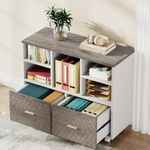
Drawer ConfigurationThe drawer configuration refers to the number of drawers and their arrangement within the cabinet. Lateral filing cabinets typically have 2 to 5 drawers. More drawers mean more storage space, but also a taller cabinet. If you need to store different types of documents separately, multiple drawers can help you organize better. However, if you prefer a more compact unit, fewer drawers might be sufficient. Think about how you plan to organize your documents and the ease of access you require when selecting the drawer configuration.
Locking MechanismA locking mechanism is important for securing sensitive or confidential documents. Some lateral filing cabinets come with a central locking system that locks all drawers simultaneously, while others may have individual locks for each drawer. If security is a priority, look for cabinets with robust locking systems. For general use, a basic lock might suffice. Consider the level of security you need based on the type of documents you will store and choose a cabinet with an appropriate locking mechanism.
Weight CapacityThe weight capacity of a lateral filing cabinet indicates how much weight each drawer can hold. This is important to ensure the cabinet can support the volume of documents you plan to store without sagging or breaking. Weight capacities can vary significantly, with some cabinets designed to hold heavier loads than others. If you have a large number of heavy files, opt for a cabinet with a higher weight capacity. For lighter, less dense documents, a standard weight capacity should be sufficient. Assess the weight of your documents and choose a cabinet that can handle the load.
MobilityMobility refers to whether the filing cabinet has wheels or casters, allowing it to be moved easily. This can be particularly useful if you need to frequently rearrange your office layout or move the cabinet between different locations. Some lateral filing cabinets come with built-in casters, while others are stationary. If you value flexibility and ease of movement, look for a cabinet with sturdy wheels. If stability and a fixed position are more important, a stationary cabinet might be the better choice. Consider your need for mobility when making your selection.