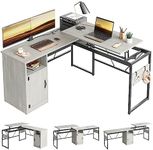
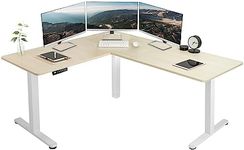
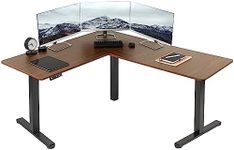
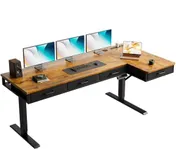
Buying Guide for the Best L Shaped Standing Desks
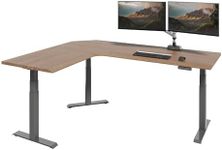
Choosing the right L-shaped standing desk can significantly enhance your productivity and comfort, especially if you spend long hours working at a desk. An L-shaped standing desk provides ample workspace and the flexibility to switch between sitting and standing positions, which can help reduce the risk of health issues associated with prolonged sitting. When selecting an L-shaped standing desk, it's important to consider several key specifications to ensure it meets your needs and preferences.Size and DimensionsThe size and dimensions of an L-shaped standing desk are crucial because they determine how well the desk will fit in your workspace and how much surface area you'll have for your work materials. Measure your available space carefully and consider the desk's length, width, and height. If you have a smaller room, you might need a more compact desk, while a larger space can accommodate a bigger desk with more surface area. Think about what you need to place on the desk, such as monitors, keyboards, and other office supplies, to ensure you have enough room.
Height AdjustabilityHeight adjustability is a key feature of standing desks, allowing you to switch between sitting and standing positions. This is important for maintaining good posture and reducing the risk of back pain and other health issues. Look for desks with a wide range of height adjustments to accommodate different users and preferences. Some desks have manual adjustments, while others have electric motors for easier and more precise adjustments. Consider how often you'll be changing positions and choose a desk that offers convenient and reliable height adjustment mechanisms.
Weight CapacityThe weight capacity of an L-shaped standing desk indicates how much weight the desk can support without compromising stability or performance. This is important if you plan to place heavy items like multiple monitors, desktop computers, or other equipment on the desk. Check the manufacturer's specifications for the maximum weight capacity and ensure it meets your needs. If you have a lot of heavy equipment, opt for a desk with a higher weight capacity to ensure safety and durability.
Material and Build QualityThe material and build quality of the desk affect its durability, stability, and overall appearance. Common materials include wood, metal, and engineered wood. Solid wood desks are typically more durable and have a premium look, but they can be heavier and more expensive. Metal frames provide excellent stability and support, while engineered wood can offer a good balance of cost and quality. Consider the aesthetic you want for your workspace and choose a desk made from materials that match your preferences and durability requirements.
ErgonomicsErgonomics refers to how well the desk supports your body and promotes a healthy working posture. An ergonomic desk can help prevent strain and discomfort during long work sessions. Look for features like adjustable keyboard trays, monitor stands, and cable management systems that can help you maintain a comfortable and organized workspace. Consider your specific ergonomic needs, such as the height of your chair and monitor, and choose a desk that allows you to customize your setup for optimal comfort.
Ease of AssemblyEase of assembly is an important consideration, especially if you're not particularly handy or don't have a lot of time to spend on setup. Some desks come with detailed instructions and all the necessary tools, making assembly straightforward and quick. Others might require more effort and additional tools. Check user reviews and product descriptions to get an idea of the assembly process and choose a desk that matches your comfort level with DIY projects.
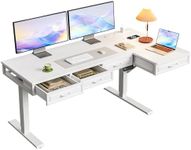
Additional FeaturesAdditional features can enhance the functionality and convenience of your L-shaped standing desk. These might include built-in power outlets, USB ports, cable management systems, and storage options like drawers or shelves. Think about what extra features would be beneficial for your work habits and environment. For example, if you have a lot of electronic devices, built-in power outlets and USB ports can help keep your workspace organized and reduce clutter.