Buying Guide for the Best Ice Dispensers
Choosing the right ice dispenser can significantly enhance your convenience, whether for home use, office, or commercial purposes. The key is to understand your specific needs and match them with the features and specifications of the ice dispenser. Here are some important factors to consider when selecting an ice dispenser to ensure you get the best fit for your requirements.Ice Production CapacityIce production capacity refers to the amount of ice the dispenser can produce in a 24-hour period. This is crucial because it determines whether the machine can meet your daily ice needs. For home use, a lower capacity (around 20-50 pounds per day) might be sufficient. For offices or small businesses, a medium capacity (50-100 pounds per day) could be ideal. For larger commercial settings, you might need a high capacity (over 100 pounds per day). Assess your daily ice consumption to choose the right capacity.
Storage CapacityStorage capacity indicates how much ice the dispenser can hold at one time. This is important to ensure you have enough ice available during peak times. For occasional use, a smaller storage capacity (up to 10 pounds) may be adequate. For regular use in a busy environment, a medium storage capacity (10-30 pounds) is better. For high-demand settings, look for a large storage capacity (over 30 pounds). Consider how often you need ice and how quickly it gets used up to determine the appropriate storage capacity.
Ice TypeIce type refers to the shape and texture of the ice produced, such as cubed, nugget, or crushed ice. This is important because different ice types serve different purposes. Cubed ice is versatile and melts slowly, making it great for drinks. Nugget ice is softer and chewable, ideal for healthcare settings or for those who enjoy chewing ice. Crushed ice is perfect for cocktails and blended drinks. Think about how you plan to use the ice to choose the type that best suits your needs.
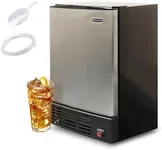
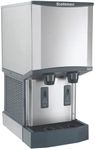
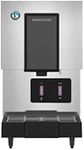
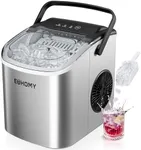
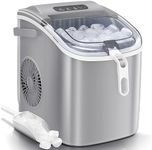
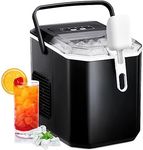
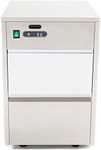
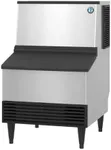
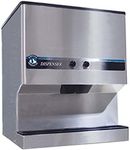
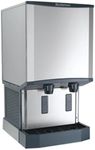
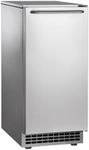
Installation TypeInstallation type refers to whether the ice dispenser is freestanding, countertop, or built-in. This is important for ensuring the dispenser fits well in your space. Freestanding units are larger and can produce more ice, suitable for commercial use. Countertop models are compact and convenient for home or office use. Built-in units are integrated into cabinetry, offering a seamless look for kitchens or bars. Consider your available space and where you plan to place the dispenser to choose the right installation type.
Ease of Use and MaintenanceEase of use and maintenance covers how user-friendly the dispenser is and how easy it is to clean and maintain. This is important for ensuring a hassle-free experience. Look for features like intuitive controls, easy access to the ice bin, and self-cleaning functions. Regular maintenance is crucial to keep the dispenser running efficiently and to ensure the ice remains clean and safe. Consider how much time and effort you are willing to invest in maintaining the dispenser when making your choice.
Energy EfficiencyEnergy efficiency refers to how much electricity the ice dispenser uses. This is important for reducing your energy bills and minimizing environmental impact. Energy-efficient models use less power and can save you money in the long run. Look for dispensers with an Energy Star rating or other energy-saving features. Consider your usage patterns and how often the dispenser will be running to choose a model that balances performance with energy efficiency.
Noise LevelNoise level refers to how loud the ice dispenser is during operation. This is important for ensuring a comfortable environment, especially in quiet settings like homes or offices. Some ice dispensers can be quite noisy, which might be disruptive. Look for models that are specifically designed to operate quietly. Consider where the dispenser will be placed and how sensitive you are to noise when selecting a model with an appropriate noise level.