Buying Guide for the Best Hunting Thermal Pants
When it comes to choosing the right hunting thermal pants, it's essential to consider various factors that will ensure you stay warm, comfortable, and mobile during your hunting trips. The right pair of thermal pants can make a significant difference in your overall hunting experience, especially in cold weather conditions. Here are some key specifications to consider when selecting hunting thermal pants and how to choose the best fit for your needs.MaterialThe material of hunting thermal pants is crucial because it determines the level of warmth, comfort, and durability. Common materials include synthetic fabrics like polyester and nylon, as well as natural fibers like merino wool. Synthetic fabrics are often lightweight, quick-drying, and moisture-wicking, making them ideal for active hunting. Merino wool, on the other hand, is excellent for insulation, odor resistance, and comfort. Choose synthetic materials if you need something lightweight and breathable, and opt for merino wool if you prioritize warmth and natural odor control.
InsulationInsulation is what keeps you warm in cold weather. Thermal pants can have different types of insulation, such as down, synthetic fill, or fleece lining. Down insulation is lightweight and highly effective at trapping heat but can lose its insulating properties when wet. Synthetic fill is more water-resistant and maintains warmth even when damp. Fleece lining provides a soft, comfortable layer of warmth. If you hunt in wet conditions, synthetic fill might be the best choice. For dry, extremely cold environments, down insulation can be very effective. Fleece-lined pants are great for moderate cold and added comfort.
Fit and MobilityThe fit of your thermal pants affects your mobility and comfort. A good fit should be snug enough to retain heat but not so tight that it restricts movement. Look for pants with articulated knees and gusseted crotches, which allow for better movement and flexibility. If you plan on layering, ensure there's enough room to wear base layers underneath without feeling too tight. For active hunting that requires a lot of movement, prioritize pants with a more athletic fit and added stretch.
Water ResistanceWater resistance is important if you expect to encounter wet or snowy conditions. Some thermal pants come with a water-resistant or waterproof coating to keep you dry. Water-resistant pants can handle light rain and snow, while waterproof pants are designed for more severe weather conditions. If you hunt in areas with frequent precipitation, waterproof pants are a better choice. For drier climates, water-resistant pants should suffice.
BreathabilityBreathability refers to how well the pants allow moisture and sweat to escape. This is important to prevent overheating and discomfort during active hunting. Look for pants with breathable fabrics and ventilation features like zippered vents. High breathability is crucial for high-intensity activities and warmer weather. If you tend to sweat a lot or hunt in varying temperatures, prioritize pants with good breathability to stay comfortable.
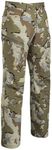
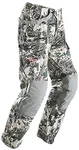
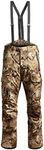
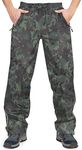
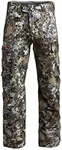
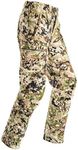
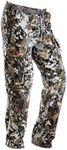
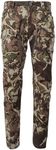
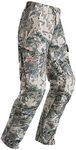
Camouflage PatternThe camouflage pattern on your thermal pants helps you blend into your hunting environment. Different patterns are designed for various terrains, such as forests, grasslands, or snowy landscapes. Choose a pattern that matches the typical environment where you hunt. For example, if you hunt in wooded areas, a forest camo pattern would be ideal. If you hunt in open fields, a grassland pattern would be more effective. Matching your camo pattern to your hunting environment increases your chances of staying undetected by game.