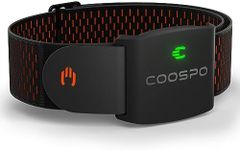
Buying Guide for the Best HRV Monitors
Heart Rate Variability (HRV) monitors are valuable tools for tracking your heart's health and overall fitness. They measure the variation in time between each heartbeat, which can provide insights into your autonomic nervous system and help you understand your stress levels, recovery status, and overall well-being. When choosing an HRV monitor, it's important to consider several key specifications to ensure you select the best fit for your needs.AccuracyAccuracy refers to how precisely the HRV monitor can measure the time intervals between heartbeats. This is crucial because accurate data is essential for reliable insights into your heart health and stress levels. HRV monitors can vary in accuracy, with some offering clinical-grade precision and others providing more general estimates. If you need detailed and precise data for medical or high-performance athletic purposes, look for monitors with high accuracy ratings. For general wellness tracking, a standard level of accuracy may suffice.
ConnectivityConnectivity refers to how the HRV monitor communicates with other devices, such as smartphones, tablets, or computers. This is important because it allows you to easily transfer and analyze your data. Common connectivity options include Bluetooth and ANT+. If you want real-time data syncing and easy access to your HRV metrics, choose a monitor with reliable and compatible connectivity options. Consider your existing devices and ensure the HRV monitor can seamlessly integrate with them.
Battery LifeBattery life indicates how long the HRV monitor can operate before needing a recharge. This is important for convenience and ensuring continuous monitoring without frequent interruptions. Battery life can range from a few hours to several days or even weeks, depending on the device. If you plan to use the monitor for extended periods or during long workouts, opt for a model with a longer battery life. For occasional use, shorter battery life may be acceptable.
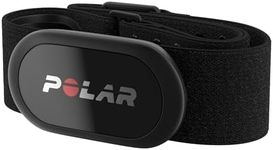
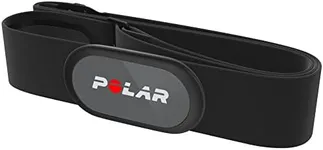
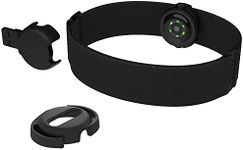
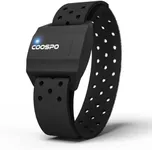
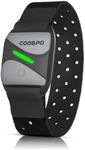
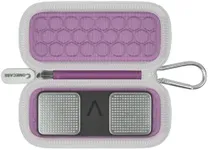
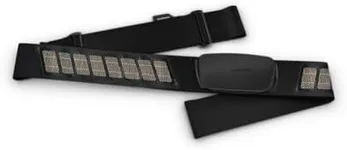
Comfort and DesignComfort and design refer to how the HRV monitor feels when worn and its overall appearance. This is important because a comfortable and well-designed monitor is more likely to be used consistently. HRV monitors come in various forms, such as chest straps, wristbands, or finger sensors. Choose a design that fits your lifestyle and preferences. For example, if you prefer minimal interference during workouts, a lightweight and ergonomic design is ideal. Ensure the monitor is comfortable for long-term wear.
Data Analysis and InsightsData analysis and insights refer to the software and algorithms used by the HRV monitor to interpret the raw data it collects. This is important because it determines the quality and usefulness of the information you receive. Some monitors offer basic HRV readings, while others provide detailed reports, trend analysis, and personalized recommendations. If you want in-depth insights and actionable advice, look for monitors with advanced data analysis capabilities. For basic tracking, simpler models may be sufficient.
Compatibility with Fitness AppsCompatibility with fitness apps refers to the HRV monitor's ability to sync with popular health and fitness applications. This is important for integrating your HRV data with other health metrics and getting a comprehensive view of your fitness. Many HRV monitors are compatible with apps like Apple Health, Google Fit, or specific fitness platforms. If you already use certain fitness apps, ensure the HRV monitor you choose can seamlessly connect with them for a unified tracking experience.