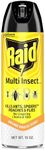
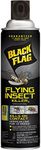
Buying Guide for the Best Household Fly Sprays
Choosing the right household fly spray can make a significant difference in maintaining a clean and comfortable living environment. When selecting a fly spray, it's important to consider various factors to ensure it meets your specific needs. Here are some key specifications to look out for and how to navigate them to find the best fit for you.Active IngredientsThe active ingredients in a fly spray determine its effectiveness in killing or repelling flies. Common active ingredients include pyrethroids, permethrin, and natural oils like citronella. Pyrethroids and permethrin are synthetic chemicals that are highly effective but may be harmful to pets and humans if not used properly. Natural oils are safer but might be less effective. Choose a spray with active ingredients that balance effectiveness and safety based on your household's needs.
Safety for Pets and ChildrenSafety is a crucial factor, especially if you have pets or small children. Some fly sprays contain chemicals that can be toxic if ingested or inhaled in large quantities. Look for products labeled as pet-safe or child-safe, which typically use less harmful ingredients. If you have a busy household with pets and children, opt for a spray that prioritizes safety to avoid any health risks.
Residual EffectThe residual effect refers to how long the spray continues to be effective after application. Some sprays offer immediate results but have a short residual effect, while others provide long-lasting protection. If you need a quick fix for an occasional fly problem, a spray with a short residual effect might suffice. However, for ongoing issues, a product with a longer residual effect will reduce the need for frequent reapplication.
OdorThe odor of a fly spray can impact your comfort at home. Some sprays have a strong chemical smell, while others are odorless or have a pleasant scent. If you are sensitive to smells or prefer a more pleasant environment, look for odorless options or those with natural fragrances. Consider where and how often you will use the spray to determine the importance of this factor.
Application MethodFly sprays come in various application methods, including aerosols, pump sprays, and automatic dispensers. Aerosols are easy to use and provide quick coverage, while pump sprays offer more control over the amount used. Automatic dispensers release the spray at intervals, providing continuous protection. Choose an application method that fits your convenience and the level of fly problem you are dealing with.
Environmental ImpactThe environmental impact of a fly spray is an important consideration for eco-conscious consumers. Some sprays contain chemicals that can harm the environment, while others use eco-friendly ingredients. Look for products labeled as environmentally safe or biodegradable. If reducing your environmental footprint is a priority, opt for a spray that aligns with your values.