Buying Guide for the Best Horse Girths
Choosing the right horse girth is essential for the comfort and performance of both the horse and the rider. A girth is a piece of tack that keeps the saddle in place, and selecting the right one involves considering several factors such as the horse's anatomy, the type of riding you do, and the materials used. Understanding the key specifications will help you make an informed decision that ensures your horse's comfort and safety while riding.MaterialThe material of the girth is crucial for the comfort and durability of the product. Common materials include leather, synthetic, and neoprene. Leather girths are traditional and offer durability and a classic look, but they require regular maintenance. Synthetic girths are easier to clean and maintain, and they are often more affordable. Neoprene girths are known for their comfort and non-slip properties, making them a good choice for sensitive horses. Choose a material based on your maintenance preferences and your horse's comfort.
SizeThe size of the girth is important to ensure a proper fit. Girths come in various lengths, and it's essential to measure your horse correctly. Measure from the middle of the horse's belly, where the girth will sit, to the saddle billets on both sides. The girth should be snug but not too tight, allowing for about two fingers' width between the girth and the horse's body. A properly sized girth prevents the saddle from slipping and ensures the horse's comfort.
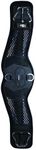
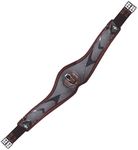
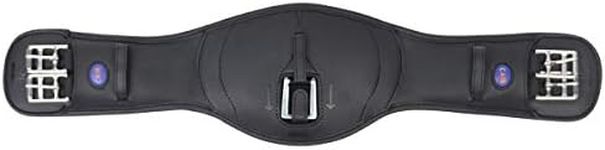
ShapeThe shape of the girth can affect the horse's comfort and performance. There are straight girths, contoured girths, and anatomical girths. Straight girths are simple and work well for many horses. Contoured girths have a slight curve to accommodate the horse's natural shape, providing more comfort. Anatomical girths are designed to follow the contours of the horse's body closely, reducing pressure points and allowing for better movement. Choose a shape that matches your horse's body type and comfort needs.
ElasticityElasticity in a girth can provide additional comfort for the horse. Some girths have elastic ends, which allow for a bit of give as the horse moves, reducing pressure and improving comfort. Elastic girths can be particularly beneficial for horses that are sensitive or prone to girth sores. However, too much elasticity can cause the saddle to slip, so it's important to find a balance. Consider your horse's sensitivity and movement when deciding on the level of elasticity.
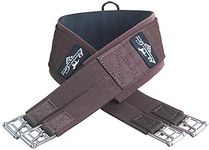
Buckles and HardwareThe quality of the buckles and hardware on a girth is important for durability and ease of use. Stainless steel buckles are common and resistant to rust, making them a durable choice. Roller buckles can make tightening the girth easier and more precise. Ensure that the hardware is sturdy and well-made to withstand regular use. Choose buckles and hardware that are easy for you to use and that will last over time.
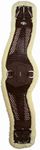
PaddingPadding in a girth can significantly enhance the comfort for your horse. Padded girths distribute pressure more evenly and reduce the risk of chafing and sores. Common padding materials include fleece, gel, and memory foam. Fleece padding is soft and comfortable but may require more maintenance. Gel and memory foam provide excellent shock absorption and conform to the horse's shape. Consider your horse's sensitivity and the type of riding you do when selecting the level and type of padding.