Buying Guide for the Best Home Water Dispensers
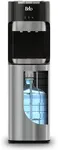
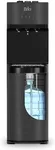
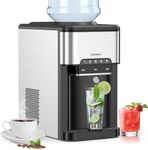
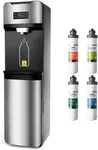
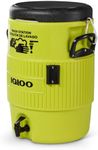
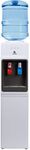
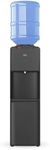
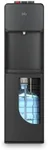
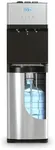
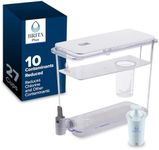
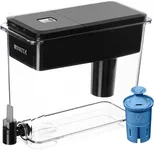
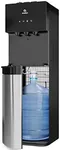
Choosing the right home water dispenser can significantly improve your daily hydration routine, providing you with easy access to clean and cool water. When selecting a water dispenser, it's important to consider various factors to ensure it meets your needs and preferences. Here are some key specifications to help you make an informed decision.Type of DispenserWater dispensers come in different types, including bottled, bottleless, countertop, and freestanding models. The type of dispenser is important because it affects the installation process, maintenance, and the space it occupies. Bottled dispensers use large water bottles and are easy to set up, while bottleless dispensers connect directly to your water line, providing a continuous supply of filtered water. Countertop models are compact and suitable for small spaces, whereas freestanding models are larger and often offer more features. Choose a type based on your available space, water source, and convenience preferences.
Temperature OptionsWater dispensers can provide hot, cold, and room temperature water. This spec is important because it determines the versatility of the dispenser in meeting your hydration and cooking needs. Some dispensers offer only cold water, while others provide both hot and cold options. If you enjoy hot beverages or need hot water for cooking, a dispenser with a hot water option is ideal. For those who prefer chilled water, a cold water option is essential. Consider your daily water consumption habits to decide which temperature options are necessary for you.
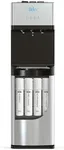
Filtration SystemThe filtration system in a water dispenser ensures that the water you drink is clean and free from contaminants. This spec is crucial for health and safety reasons. Some dispensers come with built-in filters that remove impurities, while others may require you to purchase separate filters. The effectiveness of the filtration system can vary, with some models offering multi-stage filtration for enhanced water quality. If you are concerned about water purity, look for a dispenser with a robust filtration system. Assess your local water quality and choose a filtration system that addresses any specific concerns, such as chlorine, lead, or bacteria.
CapacityThe capacity of a water dispenser refers to the amount of water it can hold or dispense at a time. This spec is important because it affects how often you need to refill or replace the water source. Bottled dispensers typically use 3 to 5-gallon bottles, while bottleless models provide a continuous supply. Countertop dispensers usually have smaller capacities compared to freestanding models. Consider the number of people using the dispenser and your daily water consumption to determine the appropriate capacity. For larger households or frequent use, a higher capacity dispenser is more convenient.
Energy EfficiencyEnergy efficiency in a water dispenser indicates how much electricity it consumes during operation. This spec is important for reducing energy costs and minimizing environmental impact. Some dispensers have energy-saving features such as programmable timers or energy-efficient cooling and heating systems. Look for models with an Energy Star rating or other energy efficiency certifications. If you are conscious about energy consumption, choose a dispenser with energy-saving features to help lower your electricity bills and reduce your carbon footprint.
Ease of MaintenanceEase of maintenance refers to how simple it is to clean and maintain the water dispenser. This spec is important for ensuring the longevity and hygiene of the dispenser. Some models have removable drip trays, self-cleaning functions, or easy-to-replace filters, making maintenance more convenient. Regular cleaning and filter replacement are necessary to prevent the buildup of bacteria and ensure the dispenser functions properly. Consider how much time and effort you are willing to invest in maintenance and choose a model that aligns with your preferences for ease of upkeep.