Buying Guide for the Best Home Backup Generators
Choosing the right home backup generator is crucial to ensure that your home remains powered during outages. A backup generator can provide peace of mind and keep essential appliances and systems running smoothly. To make an informed decision, you need to understand the key specifications and how they align with your needs. Here are the main factors to consider when selecting a home backup generator.Power Output (Wattage)Power output, measured in watts (W), indicates how much electricity the generator can produce. This is important because it determines how many and which types of appliances and systems you can run simultaneously. Generators typically range from 5,000 to 20,000 watts. For basic needs like lights, refrigerator, and a few small appliances, a generator with 5,000 to 7,500 watts may suffice. For whole-house coverage, including HVAC systems, you might need 10,000 to 20,000 watts. Assess your power needs by listing essential devices and their wattage requirements to choose the right generator.
Fuel TypeHome backup generators can run on various fuel types, including gasoline, propane, natural gas, and diesel. The fuel type affects the generator's runtime, maintenance, and availability during emergencies. Gasoline is widely available but has a shorter shelf life. Propane and natural gas are cleaner and can be stored for longer periods, with natural gas offering the convenience of a continuous supply if you have a gas line. Diesel is efficient and has a long shelf life but can be harder to find. Choose a fuel type based on availability, storage, and your preference for maintenance and environmental impact.
Run TimeRun time refers to how long a generator can operate on a full tank of fuel. This is crucial for determining how often you will need to refuel during an outage. Generators with larger fuel tanks or those that run on natural gas can provide longer run times. For short outages, a generator with a run time of 8-12 hours may be sufficient. For extended outages, look for generators that can run continuously for 24 hours or more. Consider your typical outage duration and how often you can refuel when choosing a generator with the appropriate run time.
Noise LevelNoise level, measured in decibels (dB), indicates how loud the generator will be during operation. This is important for maintaining a comfortable environment, especially if the generator is close to living areas. Generators can range from 50 dB (quiet) to over 80 dB (loud). For residential areas, a quieter generator (50-60 dB) is preferable to avoid disturbing neighbors and household members. If noise is not a major concern, you may opt for a louder generator with higher power output. Consider the placement of the generator and your tolerance for noise when making your choice.
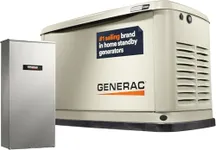
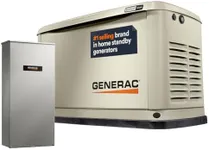
Automatic Transfer Switch (ATS)An Automatic Transfer Switch (ATS) allows the generator to automatically switch on and off during a power outage, ensuring a seamless transition. This is important for convenience and safety, as it eliminates the need for manual intervention. Some generators come with an ATS, while others require a separate purchase. If you want a hassle-free experience and immediate power restoration, choose a generator with an ATS. For those who don't mind manually starting the generator, this feature may not be as critical. Consider your preference for convenience and the importance of uninterrupted power when deciding on an ATS.
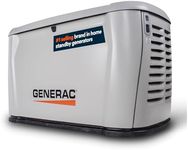
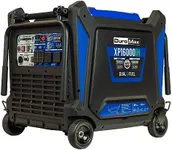
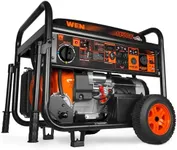
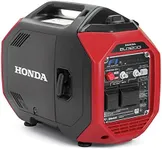
PortabilityPortability refers to the ease with which you can move the generator. This is important if you need to transport the generator to different locations or store it when not in use. Portable generators are typically smaller and have wheels for easy movement, making them suitable for temporary power needs and smaller homes. Stationary generators are larger, permanently installed units that provide more power and are ideal for whole-house coverage. Consider whether you need a generator that can be easily moved or if a permanent installation better suits your needs.