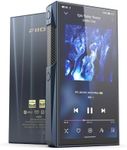
Buying Guide for the Best High Resolution Audio Players
Choosing the right high-resolution audio player can significantly enhance your music listening experience. These devices are designed to deliver superior sound quality, making them a great choice for audiophiles and music enthusiasts. When selecting a high-resolution audio player, it's important to consider several key specifications to ensure you get the best fit for your needs. Understanding these specs will help you make an informed decision and enjoy your music to the fullest.Audio Formats SupportedThis spec refers to the types of audio files the player can handle. High-resolution audio players typically support a wide range of formats, including FLAC, ALAC, WAV, and DSD, which offer better sound quality than standard MP3 files. It's important because the more formats a player supports, the more versatile it is. If you have a diverse music library with various file types, look for a player that supports multiple high-resolution formats. If you primarily use one type of file, ensure the player supports that specific format.
Storage CapacityStorage capacity indicates how much music you can store on the device. High-resolution audio files are larger than standard files, so more storage is beneficial. Players come with built-in storage ranging from a few gigabytes to several hundred gigabytes, and some offer expandable storage via microSD cards. If you have a large music collection or plan to store many high-resolution files, opt for a player with higher storage capacity or expandable storage options. For smaller collections, a player with less storage may suffice.
Battery LifeBattery life determines how long the player can operate on a single charge. This is crucial for those who listen to music on the go. High-resolution audio players typically offer battery life ranging from 10 to 40 hours. If you frequently travel or use the player for extended periods, choose one with longer battery life. For occasional use or shorter listening sessions, a player with moderate battery life may be adequate.
User Interface and ControlsThe user interface and controls affect how easy it is to navigate and use the player. A good interface should be intuitive and responsive, with clear menus and easy access to your music library. Some players have touchscreens, while others use physical buttons or a combination of both. If you prefer a modern, smartphone-like experience, look for a player with a touchscreen. If you value tactile feedback or plan to use the player in situations where a touchscreen might be impractical, consider one with physical buttons.
Build Quality and DesignBuild quality and design refer to the materials and construction of the player, as well as its aesthetic appeal. A well-built player is more durable and can withstand daily use. High-resolution audio players come in various designs, from sleek and modern to more rugged and utilitarian. If you plan to use the player in demanding environments, choose one with a robust build. If style and portability are important, look for a player with a sleek design and lightweight construction.
Connectivity OptionsConnectivity options include the ways you can connect the player to other devices, such as headphones, speakers, or computers. Common options include Bluetooth, Wi-Fi, USB, and headphone jacks. This spec is important because it determines how versatile the player is in different listening scenarios. If you use wireless headphones or speakers, ensure the player has Bluetooth. For transferring files or streaming music, Wi-Fi and USB connectivity are useful. Consider your typical usage and choose a player with the appropriate connectivity options.
DAC (Digital-to-Analog Converter)The DAC is a crucial component that converts digital audio signals into analog signals that can be heard through headphones or speakers. A high-quality DAC can significantly improve sound quality. Players with advanced DACs often provide clearer, more detailed audio. If you are an audiophile or highly value sound quality, look for a player with a high-end DAC. For casual listeners, a standard DAC may be sufficient, but it's still worth considering for the best possible audio experience.