Buying Guide for the Best High End Vinyl Players
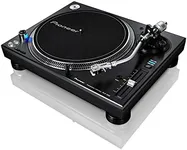
Choosing a high-end vinyl player can be a rewarding experience, especially if you are passionate about music and want to enjoy the rich, warm sound that vinyl records offer. When selecting a vinyl player, it's important to consider several key specifications that will impact the quality of sound and overall performance. Understanding these specs will help you make an informed decision and find the best fit for your needs.Turntable Drive TypeThe drive type of a turntable refers to the mechanism that spins the platter. There are two main types: belt drive and direct drive. Belt drive turntables use a rubber belt to spin the platter, which helps isolate the motor's vibrations from the platter, resulting in better sound quality. Direct drive turntables have the motor directly connected to the platter, offering more consistent speed and better torque, which is ideal for DJs. If you are an audiophile looking for the best sound quality, a belt drive turntable is likely the best choice. If you plan to use the turntable for DJing or need precise speed control, a direct drive turntable may be more suitable.
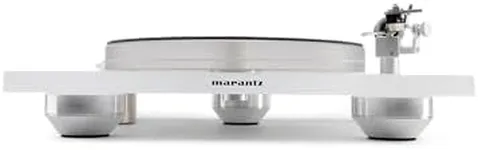
Platter MaterialThe platter is the part of the turntable where the record sits. Platter material can affect the sound quality and stability of the record. Common materials include aluminum, acrylic, and glass. Aluminum platters are durable and provide good sound quality, while acrylic platters offer excellent vibration damping and can enhance the overall sound. Glass platters are aesthetically pleasing and provide a stable surface for the record. If sound quality is your priority, consider an acrylic platter. If you value durability and a balanced sound, aluminum is a good choice. For a visually appealing setup, glass platters can be considered.
Tonearm TypeThe tonearm is the part of the turntable that holds the cartridge and stylus, and it plays a crucial role in tracking the grooves of the record. There are two main types: straight and S-shaped. Straight tonearms are simpler and lighter, providing accurate tracking and minimal distortion. S-shaped tonearms are heavier and offer better stability, which can be beneficial for DJing. If you are focused on high-fidelity sound and precise tracking, a straight tonearm is ideal. If you need a more robust tonearm for DJing or heavy use, an S-shaped tonearm may be preferable.
Cartridge TypeThe cartridge is the component that holds the stylus and converts the vibrations from the record grooves into electrical signals. There are two main types: moving magnet (MM) and moving coil (MC). MM cartridges are more common, easier to replace, and generally more affordable, offering good sound quality. MC cartridges are more expensive and provide superior sound quality with greater detail and accuracy. If you are new to vinyl or looking for a good balance of performance and cost, an MM cartridge is a great choice. If you are an audiophile seeking the highest sound quality, an MC cartridge is worth considering.
Phono PreampA phono preamp is an essential component that amplifies the signal from the turntable to a level that can be processed by your audio system. Some turntables come with a built-in phono preamp, while others require an external one. Built-in preamps are convenient and save space, but external preamps often offer better sound quality and more customization options. If you prefer simplicity and ease of use, a turntable with a built-in preamp is a good choice. If you want to optimize sound quality and have more control over your audio setup, consider using an external phono preamp.
Speed SettingsVinyl records come in different formats that require different playback speeds, typically 33 1/3 RPM for LPs and 45 RPM for singles. Some turntables also support 78 RPM for older records. It's important to choose a turntable that can accommodate the speeds of the records you own. If you primarily listen to LPs and singles, a turntable with 33 1/3 and 45 RPM settings will suffice. If you have a collection of older 78 RPM records, make sure the turntable supports this speed as well.
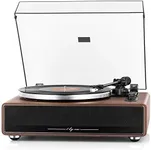
Build QualityThe build quality of a turntable affects its durability, performance, and aesthetic appeal. High-end turntables are typically made from premium materials like metal, wood, and high-quality plastics, which provide better stability and reduce vibrations. A well-built turntable will not only last longer but also deliver superior sound quality. When choosing a turntable, consider the materials used and the overall construction. If you want a turntable that looks great and performs well for years to come, prioritize build quality.