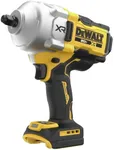
Buying Guide for the Best Heavy Duty Impact Wrenches
Choosing the right heavy-duty impact wrench can make a significant difference in your work efficiency and ease. Whether you're a professional mechanic or a DIY enthusiast, understanding the key specifications of impact wrenches will help you select the best tool for your needs. Here are the essential specs to consider and how to navigate them.TorqueTorque is the measure of the wrench's twisting force and is crucial for loosening and tightening bolts. Higher torque values mean the wrench can handle tougher jobs. For heavy-duty tasks, look for wrenches with torque ratings above 500 ft-lbs. If you're working on smaller projects, a lower torque might suffice. Consider the types of jobs you'll be doing most frequently to determine the right torque level for you.
Drive SizeDrive size refers to the diameter of the wrench's anvil, which holds the socket. Common sizes are 1/2-inch, 3/4-inch, and 1-inch. Larger drive sizes are typically used for heavy-duty applications, while smaller sizes are suitable for lighter tasks. Choose a drive size that matches the sockets you already have or the type of work you plan to do. For automotive work, a 1/2-inch drive is often sufficient, but for industrial applications, you might need a 3/4-inch or 1-inch drive.
Power SourceImpact wrenches can be powered by electricity (corded or cordless), air (pneumatic), or hydraulics. Cordless models offer portability and convenience, while pneumatic wrenches are powerful and commonly used in professional settings. Hydraulic wrenches are less common but provide high torque for very demanding tasks. Consider where you'll be using the wrench and whether you need the mobility of a cordless model or the consistent power of a pneumatic one.
RPM (Revolutions Per Minute)RPM indicates how fast the wrench can spin. Higher RPMs can speed up your work, especially when dealing with multiple fasteners. For heavy-duty impact wrenches, look for models with RPMs ranging from 1,500 to 2,500. If precision and control are more important for your tasks, a lower RPM might be preferable. Think about the balance between speed and control that you need for your specific applications.
WeightThe weight of the impact wrench affects how easy it is to handle and use over extended periods. Heavier wrenches can be more tiring to use but often provide more power. Lighter models are easier to maneuver but might not be as robust. Consider how long you'll be using the wrench at a time and whether you need a lighter tool for comfort or a heavier one for power.
ErgonomicsErgonomics refers to the design of the wrench and how comfortable it is to use. Features like a comfortable grip, balanced weight distribution, and vibration reduction can make a big difference in user experience. If you'll be using the wrench frequently, look for models with ergonomic designs to reduce fatigue and improve efficiency. Test different models if possible to find one that feels right in your hand.
DurabilityDurability is important for ensuring your impact wrench can withstand heavy use and last a long time. Look for wrenches made from high-quality materials like steel or aluminum and check for features like reinforced housings and robust internal components. If you plan to use the wrench in tough environments, prioritize durability to avoid frequent replacements.