Buying Guide for the Best Hardness Testers
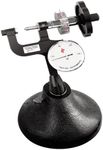
When choosing a hardness tester, it's important to understand the specific needs of your application. Hardness testers are used to measure the resistance of a material to deformation, which is crucial in various industries such as manufacturing, construction, and quality control. The right hardness tester will provide accurate and reliable measurements, ensuring that materials meet the required standards and specifications. To make an informed decision, consider the following key specifications and how they relate to your needs.Type of Hardness TesterThere are several types of hardness testers, including Rockwell, Brinell, Vickers, and Knoop. Each type uses a different method to measure hardness and is suitable for different materials and applications. Rockwell testers are commonly used for metals and offer quick and easy measurements. Brinell testers are ideal for materials with a coarse or uneven surface. Vickers and Knoop testers are used for small or thin materials and provide precise measurements. Choose the type that best matches the material you are testing and the level of precision you require.
Load RangeThe load range refers to the amount of force applied by the hardness tester during the measurement process. This is important because different materials require different levels of force to accurately measure their hardness. Load ranges can vary from a few grams to several tons. For softer materials, a lower load range is sufficient, while harder materials require a higher load range. Consider the hardness of the materials you will be testing and choose a tester with an appropriate load range to ensure accurate results.
Accuracy and RepeatabilityAccuracy refers to how close the measurements are to the true hardness value, while repeatability indicates the consistency of the measurements when the same material is tested multiple times. High accuracy and repeatability are crucial for reliable hardness testing. Look for testers with a high degree of accuracy and repeatability, especially if you need to meet strict quality standards. Check the specifications provided by the manufacturer and read reviews to ensure the tester meets your requirements.
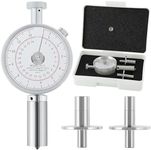
Ease of UseEase of use is an important factor, especially if the tester will be used frequently or by multiple operators. Features such as a user-friendly interface, clear display, and straightforward operation can make the testing process more efficient and reduce the likelihood of errors. Some testers also offer automated features that simplify the testing process. Consider who will be using the tester and how often, and choose a model that offers the right balance of functionality and ease of use.
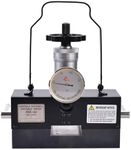
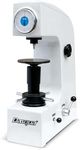
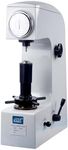
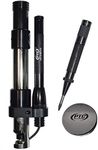
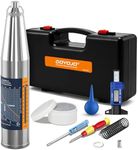
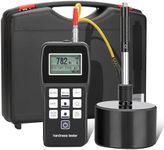
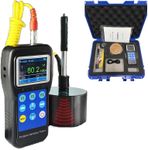
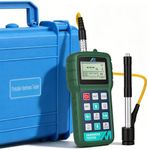
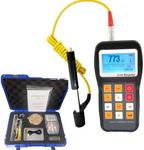
PortabilityPortability is a key consideration if you need to perform hardness testing in different locations or on large, immovable objects. Portable hardness testers are lightweight and easy to transport, making them ideal for fieldwork or on-site testing. However, they may offer fewer features compared to benchtop models. If you need to test materials in various settings, a portable tester may be the best choice. For laboratory or production line testing, a benchtop model might be more suitable.
Data ManagementData management features allow you to store, analyze, and share test results easily. This is important for maintaining records, ensuring traceability, and performing detailed analysis. Some hardness testers come with built-in memory, USB ports, or wireless connectivity for easy data transfer. Consider how you will manage and use the data from your tests, and choose a tester with the appropriate data management capabilities to streamline your workflow.