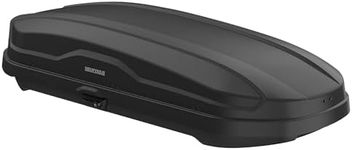
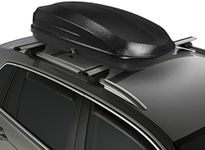
Buying Guide for the Best Hard Rooftop Cargo Carriers
Choosing the right hard rooftop cargo carrier can make your travels more convenient and enjoyable by providing extra storage space for your gear. When selecting a cargo carrier, it's important to consider several key specifications to ensure it meets your needs and fits your vehicle properly. Here are the main factors to consider and how to navigate them to find the best fit for you.CapacityCapacity refers to the amount of storage space available inside the cargo carrier, usually measured in cubic feet. This spec is important because it determines how much gear you can carry. Cargo carriers typically range from around 10 to 20 cubic feet. If you need to transport a lot of items, such as for a family vacation, opt for a larger capacity. For occasional use or smaller loads, a smaller capacity may suffice. Consider the size and number of items you plan to carry to choose the right capacity for your needs.
DimensionsDimensions refer to the length, width, and height of the cargo carrier. This spec is crucial because it affects how well the carrier fits on your vehicle and how much it can hold. Larger dimensions can accommodate bulkier items but may also create more wind resistance and affect your vehicle's aerodynamics. Measure your vehicle's roof and consider the size of the items you plan to transport to ensure the carrier will fit properly and meet your storage needs.
Weight LimitThe weight limit is the maximum amount of weight the cargo carrier can safely hold. This spec is important to prevent overloading, which can be dangerous and damage your vehicle. Weight limits typically range from 100 to 165 pounds. Consider the combined weight of the items you plan to carry and choose a carrier with a suitable weight limit. Always adhere to the manufacturer's guidelines to ensure safe usage.
MaterialThe material of the cargo carrier affects its durability, weight, and weather resistance. Common materials include ABS plastic and fiberglass. ABS plastic is lightweight, durable, and resistant to impact and UV rays, making it a popular choice. Fiberglass is also durable and can be more aesthetically pleasing but may be heavier. Consider the typical weather conditions you'll encounter and the level of durability you need when choosing the material.
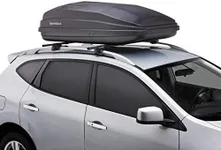
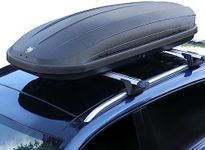
Mounting SystemThe mounting system refers to how the cargo carrier attaches to your vehicle's roof. This spec is important for ensuring a secure fit and ease of installation. Common mounting systems include U-bolts, clamps, and quick-release mechanisms. Some systems are easier to install and remove than others. Consider how often you'll need to install and remove the carrier and choose a mounting system that suits your convenience and security needs.
AerodynamicsAerodynamics refers to how well the cargo carrier reduces air resistance while driving. This spec is important because it affects fuel efficiency and noise levels. Aerodynamic carriers are designed with a sleek, streamlined shape to minimize drag. If you plan to use the carrier frequently or for long trips, an aerodynamic design can help save on fuel costs and reduce wind noise. Consider your typical driving conditions and prioritize aerodynamics if these factors are important to you.
Security FeaturesSecurity features include locks and other mechanisms that protect your belongings from theft. This spec is important for ensuring the safety of your items while traveling. Look for carriers with built-in locks or the ability to add your own padlocks. If you often leave your vehicle unattended or travel in areas where security is a concern, prioritize carriers with robust security features to keep your belongings safe.