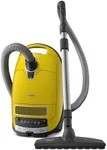
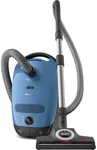
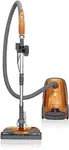
Buying Guide for the Best Hard Floor Canister Vacuums
Picking the right hard-floor canister vacuum is all about making sure it's easy to use on your type of flooring, powerful enough to get rid of debris and dust, and comfortable for you to operate. Start by thinking about your specific floor types—are they made of delicate wood, tile, or laminate? Also, who will be using it most often, and how large is your space? The way you use your vacuum—quick touch-ups versus deeper regular cleaning—should guide what features and specs matter most. Focus on the design, usability, and performance features so you end up with a vacuum that's both effective and suited to your everyday needs.Suction PowerSuction power refers to the vacuum's ability to lift dirt and debris from your floors; it's one of the most important aspects of cleaning performance. For hard floors, enough suction is needed to pick up dust and fine particles, but not so much that the vacuum becomes hard to push or causes scattering. Models are typically rated in watts or air watts; lower ranges handle lighter, regular cleaning, while higher suction levels are useful for deep cleans or homes with lots of pet hair. If you have mostly smooth surfaces and little dirt, moderate suction usually works fine, but if your floors tend to collect a lot of debris, look for a more powerful option.
Floor Tool/Nozzle DesignThe floor tool or nozzle is the part of the vacuum that directly touches the ground, so its design is critical for hard floors. Some nozzles feature soft bristles or padding that protect delicate surfaces from scratches, while others have wide openings or adjustable height to tackle larger debris. For pure hard floors (like tile or wood), look for nozzles labeled non-scratching or specifically designed for sensitive surfaces. If you have mixed flooring, an adjustable or combination nozzle might be more practical since you can switch modes easily.
Filtration SystemThe filtration system traps dust and allergens that are sucked up, keeping them from escaping back into the air. HEPA filters are among the best because they catch very tiny particles, which is ideal if you have allergies or pets. Lesser filters are fine for general cleaning but might not be enough if you want cleaner air or have sensitivity to dust. If air quality matters to you, prioritize a vacuum with a true HEPA or multi-stage filtration setup.
Weight and ManeuverabilityWeight and maneuverability affect how easy it is to move the vacuum across your floors and between rooms. Lighter canisters are easier to transport and store, while heavier ones often have more durable components but can be tiring to use over time. Some hard-floor vacuums come with swivel heads or wheels designed to glide smoothly. If you have a lot of rooms, stairs, or furniture to navigate, choose a model advertised as lightweight or easy to move.
Capacity (Dust Bin/Bag Size)Capacity refers to how much dirt and debris the vacuum can hold before needing to be emptied. Larger bins or bags mean less frequent emptying, which is helpful for big homes or thorough cleaning sessions. Smaller capacities are fine for quick clean-ups or smaller spaces. Consider your cleaning routine: if you tend to tackle the whole house at once, go with a bigger capacity to avoid interruptions.
Cord Length and ReachCord length influences how far you can move from a power outlet while vacuuming. Longer cords provide greater freedom, especially in larger or open spaces. Some models have retractable cords for convenience, while others may offer shorter lengths that require more frequent plugging and unplugging. If your home has large rooms or limited outlets, look for a vacuum with a longer cord or features like hose extensions.
Noise LevelNoise level tells you how loud the vacuum is during operation. For homes with young children, pets, or anyone sensitive to noise, quieter vacuums are preferable. Manufacturers usually list decibel ratings—lower values mean quieter operation. If silence is important to you or you do a lot of evening cleaning, look for models advertised as low-noise or specifically rated for reduced sound.