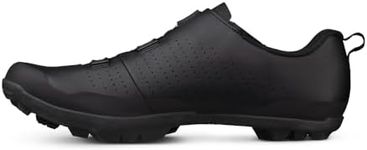
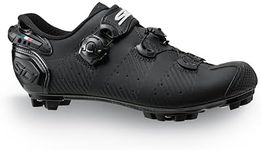
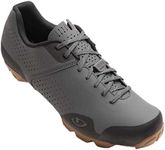
Buying Guide for the Best Gravel Bike Shoes
Choosing the right gravel bike shoes is essential for a comfortable and efficient ride. Gravel bike shoes are designed to provide a balance between the stiffness needed for efficient pedaling and the flexibility required for walking on rough terrain. When selecting a pair, consider the type of riding you will be doing, the terrain you will encounter, and your personal comfort preferences. Here are some key specifications to consider when choosing gravel bike shoes.Sole StiffnessSole stiffness refers to how rigid the sole of the shoe is. This is important because a stiffer sole provides better power transfer from your legs to the pedals, making your pedaling more efficient. However, a very stiff sole can be uncomfortable for walking. Gravel bike shoes typically have a medium stiffness, offering a good balance between pedaling efficiency and walking comfort. If you plan to do a lot of walking or hike-a-bike sections, opt for a shoe with a slightly more flexible sole. For more performance-oriented riding, a stiffer sole may be preferable.
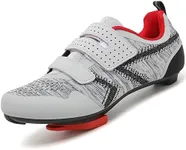
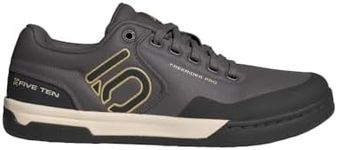
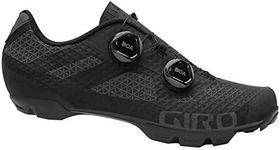
Closure SystemThe closure system of a shoe determines how it fits and how easy it is to adjust. Common closure systems include laces, Velcro straps, ratcheting buckles, and BOA dials. Laces offer a traditional fit and are easy to replace, but they can be difficult to adjust on the go. Velcro straps are simple and lightweight but may wear out over time. Ratcheting buckles provide a secure fit and are easy to adjust, while BOA dials offer precise micro-adjustments and are very convenient. Choose a closure system that matches your preference for ease of use and adjustability.
Fit and ComfortFit and comfort are crucial for any cycling shoe, as an ill-fitting shoe can lead to discomfort and even injury. Gravel bike shoes should fit snugly but not too tight, with enough room in the toe box to wiggle your toes. Consider the shape of your foot and look for shoes that offer a good match. Some brands offer wide or narrow options to accommodate different foot shapes. It's also important to try on shoes with the socks you plan to wear while riding to ensure a proper fit.
WeightThe weight of the shoe can affect your overall riding experience. Lighter shoes can make pedaling easier and reduce fatigue, especially on long rides. However, lighter shoes may sacrifice some durability and protection. If you prioritize speed and efficiency, look for lighter shoes. If you need more durability and protection for rough terrain, a slightly heavier shoe may be a better choice.
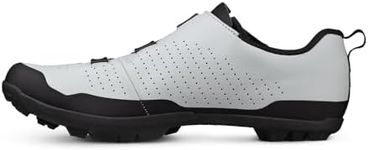
Traction and TreadTraction and tread are important for walking on various surfaces, especially when you need to dismount and walk your bike. Gravel bike shoes typically have a lugged outsole that provides good grip on dirt, gravel, and rocks. Some shoes also have rubber or TPU (thermoplastic polyurethane) reinforcements for added durability and grip. If you expect to walk on slippery or uneven surfaces, look for shoes with a more aggressive tread pattern. For smoother terrain, a less aggressive tread may suffice.
Water ResistanceWater resistance is an important consideration if you plan to ride in wet conditions. Some gravel bike shoes come with water-resistant materials or coatings to keep your feet dry. Others may have drainage holes to allow water to escape. If you frequently ride in wet or muddy conditions, look for shoes with good water resistance. For dry climates, this may be less of a concern.