Buying Guide for the Best Gravel Bike Saddles
Choosing the right gravel bike saddle is crucial for ensuring comfort and performance during your rides. Gravel biking often involves long distances and varied terrain, so a well-suited saddle can make a significant difference in your overall experience. When selecting a saddle, consider factors such as your riding style, body anatomy, and the type of terrain you typically ride on. Here are some key specifications to help you make an informed decision.WidthThe width of a saddle is important because it needs to support your sit bones properly. If the saddle is too narrow, it can cause discomfort and pressure points. If it's too wide, it can lead to chafing. To find the right width, measure the distance between your sit bones and choose a saddle that matches this measurement. Generally, widths range from 130mm to 155mm. Riders with wider sit bones should opt for wider saddles, while those with narrower sit bones should choose narrower options.
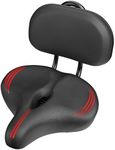
PaddingPadding in a saddle provides cushioning and comfort, especially on rough terrain. However, too much padding can lead to excessive pressure and discomfort over long rides. Saddles come with varying levels of padding: minimal, moderate, and plush. Minimal padding is preferred by performance-oriented riders who prioritize a firm connection with the bike. Moderate padding offers a balance between comfort and performance, suitable for most riders. Plush padding is ideal for those who prioritize comfort over performance, especially on longer rides.
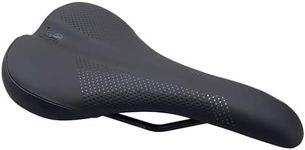
ShapeThe shape of a saddle affects how it supports your body and distributes weight. Saddles can be flat, semi-rounded, or rounded. Flat saddles are best for riders who move around a lot and prefer a more aggressive riding position. Semi-rounded saddles offer a balance between movement and support, suitable for most riders. Rounded saddles provide more support and are ideal for riders who prefer a more upright position. Consider your riding style and body flexibility when choosing the shape.
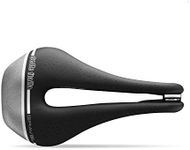
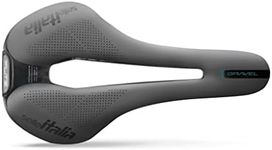
CutoutA cutout or relief channel in a saddle helps reduce pressure on sensitive areas, improving comfort on long rides. This feature is particularly important for riders who experience numbness or discomfort in the perineal area. Saddles with cutouts come in various designs, from small channels to large openings. If you often experience discomfort, look for a saddle with a significant cutout. If not, a saddle without a cutout or with a minimal channel may suffice.
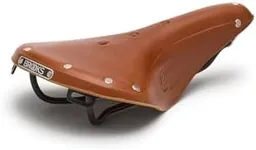
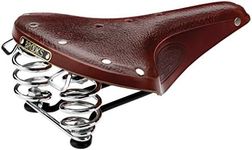
MaterialThe material of a saddle affects its durability, weight, and comfort. Common materials include synthetic, leather, and carbon. Synthetic saddles are lightweight, durable, and often more affordable. Leather saddles conform to your body over time, offering a custom fit and high comfort, but they require more maintenance. Carbon saddles are extremely lightweight and stiff, preferred by performance-oriented riders. Choose a material based on your priorities: durability, comfort, or performance.
RailsThe rails of a saddle connect it to the bike and affect its weight and flexibility. Common rail materials include steel, titanium, and carbon. Steel rails are durable and affordable but heavier. Titanium rails offer a good balance of weight and comfort, providing some flex to absorb road vibrations. Carbon rails are the lightest and stiffest, ideal for performance-focused riders. Consider your need for durability, weight savings, and comfort when choosing rail material.