Buying Guide for the Best Global Positioning Systems
When choosing a Global Positioning System (GPS), it's important to consider your specific needs and how you plan to use the device. Whether you're using it for driving, hiking, cycling, or marine navigation, different GPS units offer various features that can enhance your experience. Understanding the key specifications will help you make an informed decision and ensure you get the best GPS for your requirements.AccuracyAccuracy refers to how close the GPS's reported position is to the actual location. This is crucial for activities where precise location data is necessary, such as geocaching or surveying. GPS devices typically offer accuracy within a few meters. For general navigation, an accuracy of 5-10 meters is usually sufficient. For more precise needs, look for devices that offer sub-meter accuracy, often found in higher-end models or those with additional correction services like WAAS or EGNOS.
Battery LifeBattery life indicates how long the GPS device can operate before needing a recharge or new batteries. This is particularly important for long trips or outdoor activities where access to power may be limited. GPS devices can have battery lives ranging from a few hours to several days. For short trips or casual use, a device with 8-12 hours of battery life may be adequate. For extended outdoor adventures, look for models offering 20+ hours or those that support replaceable batteries.
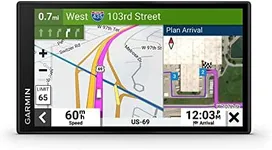
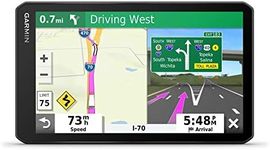
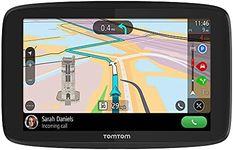
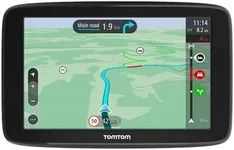
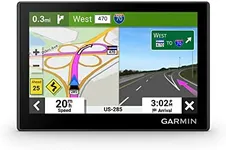
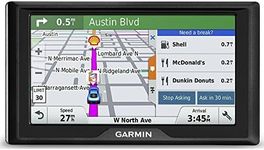
Display Size and QualityThe display size and quality affect how easily you can read maps and navigate using the GPS. Larger screens provide better visibility and are easier to interact with, especially for detailed maps. However, they can also make the device bulkier. Display quality, including resolution and brightness, is important for readability in various lighting conditions. For driving or cycling, a larger, high-resolution screen is beneficial. For hiking or compact use, a smaller, more portable device may be preferable.
Mapping and Navigation FeaturesMapping and navigation features include preloaded maps, the ability to add new maps, turn-by-turn directions, and points of interest. These features are essential for effective navigation. Some GPS units come with detailed maps of specific regions, while others allow you to download additional maps. Turn-by-turn directions are useful for driving, while topographic maps are better for hiking. Choose a GPS with the mapping features that best match your intended use.
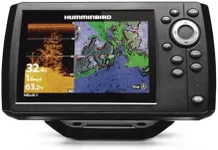
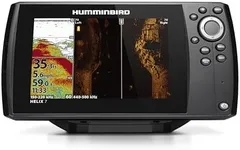
Durability and Water ResistanceDurability and water resistance determine how well the GPS can withstand harsh conditions. This is particularly important for outdoor activities where the device may be exposed to rain, dust, or rough handling. GPS devices are rated with an IP (Ingress Protection) code that indicates their resistance to water and dust. For general outdoor use, an IPX7 rating (waterproof up to 1 meter for 30 minutes) is usually sufficient. For more rugged use, look for higher durability and water resistance ratings.
ConnectivityConnectivity options, such as Bluetooth, Wi-Fi, and ANT+, allow the GPS to connect with other devices and services. This can enhance functionality by enabling features like live traffic updates, data synchronization, and fitness tracking. For basic navigation, connectivity may not be as crucial. However, for advanced features like real-time updates or integration with fitness apps, ensure the GPS supports the necessary connectivity options.
User Interface and Ease of UseThe user interface and ease of use determine how intuitive and straightforward the GPS is to operate. A well-designed interface makes it easier to input destinations, read maps, and access features. Touchscreen interfaces are common and user-friendly, but physical buttons can be more reliable in wet or cold conditions. Consider how comfortable you are with technology and choose a GPS with an interface that matches your preference for simplicity or advanced functionality.