Buying Guide for the Best Glass Food Storage Containers
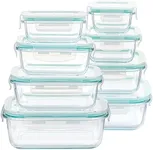
Glass food storage containers are a great choice for storing leftovers, meal prepping, or organizing your pantry. They don’t absorb stains or odors, are microwave safe, and are often preferred for their durability and non-toxic qualities. To choose the one that fits your needs best, it’s helpful to understand the key features you should consider and how these relate to how you'll be using your containers.Capacity/SizeCapacity refers to how much food a container can hold, usually measured in cups, ounces, or milliliters. This is crucial because picking the right size helps avoid wasted space or overstuffing. There are small (under 1 cup), medium (1–4 cups), and large (over 4 cups) options. Small sizes are ideal for sauces, salad dressings, or snacks; medium work well for lunch portions or sides; large ones are perfect for storing family meals or prepping several servings at once. Think about what foods you plan to store most often and match the sizes to your meal habits.
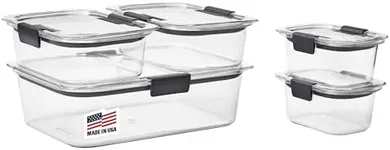
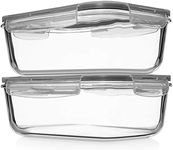
Lid Type and SealThe lid is essential because it affects how well the container keeps food fresh and leak-free. Lids typically come in options like snap-on, screw-top, or clamp-locking styles, and their seals may be rubber, silicone, or plastic. Airtight and leak-proof lids are best for carrying liquids or keeping leftovers fresher longer, while simple snap-on lids are fine for pantry storage or fridge use. Consider how you'll be using your containers—if you need to transport food, a secure locking lid with a silicone seal is recommended; for simple at-home storage, you can opt for easier-to-open designs.
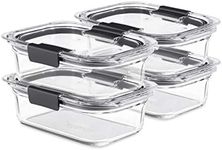
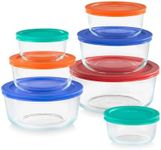
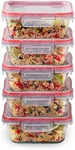
ShapeGlass containers are available in different shapes, most commonly round, square, or rectangular. Rectangular and square containers make the most efficient use of space in your fridge or freezer and stack neatly, while round containers are often easier to clean and may be better for liquid foods or salads. Think about your storage space and the types of foods you’ll store—a rectangular shape is best for stacking and maximizing space, while round might be more versatile for reheating and serving.
Material QualityThe quality of glass can vary, and it's important to check if the container is made from borosilicate or soda-lime glass. Borosilicate glass is more resistant to thermal shock (sudden temperature changes), making it safer for moving between oven, fridge, and freezer, while soda-lime glass is more common but can crack with sudden changes in temperature. If you plan to bake or reheat in the same container, opt for borosilicate; if you’re only storing cold or room-temperature foods, regular glass is usually sufficient.
Oven and Microwave SafetySome glass containers are rated to be used in ovens and microwaves, while others are not. This matters if you want a seamless transition from storage to reheating or baking. Make sure your containers specify that they are oven/microwave safe (and check if the lid should be removed first). If reheating or cooking is part of your meal prep, pick models that state they can handle the temperatures you plan to use.
Freezer CompatibilityNot all glass is freezer-safe—containers must be able to handle very low temperatures without cracking. Freezer-safe containers prevent messy breaks and safe long-term food storage. If you plan to freeze leftovers or batch-cooked meals, look for containers marked as freezer safe, and remember to leave a bit of room at the top for food expansion.
Ease of Cleaning and Dishwasher SafetySome glass food containers have lids or seals that can trap food particles and be trickier to clean. Many are dishwasher-safe, but always check manufacturer instructions. If you prefer hassle-free cleaning, prioritize models with simple shapes, minimal crevices, and dishwasher-friendly labels.