Buying Guide for the Best Ge Power Surge Protectors
When it comes to protecting your valuable electronic devices from power surges, a good surge protector is essential. Power surges can occur due to various reasons such as lightning strikes, power outages, or even faulty wiring. A surge protector helps to safeguard your devices by diverting the excess voltage away from them. To choose the best surge protector for your needs, it's important to understand the key specifications and how they relate to your specific requirements.Joule RatingThe joule rating indicates the amount of energy a surge protector can absorb before it fails. This is important because a higher joule rating means better protection for your devices. Typically, surge protectors with a joule rating of 600-1000 are suitable for small electronics like lamps and clocks. For more sensitive and expensive equipment like computers, home theater systems, or gaming consoles, look for a joule rating of 1000-2000 or higher. Assess the value and sensitivity of the devices you want to protect to determine the appropriate joule rating.
Clamping VoltageClamping voltage, also known as let-through voltage, is the voltage level at which the surge protector starts to divert excess electricity away from your devices. Lower clamping voltage means better protection. Common clamping voltage ratings are 330V, 400V, and 500V. For sensitive electronics, a clamping voltage of 330V is ideal. For less sensitive devices, a higher clamping voltage may be sufficient. Consider the sensitivity of your devices when choosing the clamping voltage.
Response TimeResponse time refers to how quickly the surge protector reacts to a power surge. Faster response times provide better protection as they reduce the amount of time your devices are exposed to the surge. Most surge protectors have a response time of less than one nanosecond. For critical and highly sensitive equipment, ensure the surge protector has a very fast response time. For general household electronics, standard response times are usually adequate.
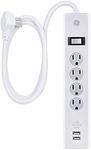
Number of OutletsThe number of outlets on a surge protector determines how many devices you can plug into it. This is important for convenience and ensuring all your devices are protected. Surge protectors typically come with 4 to 12 outlets. If you have multiple devices in one area, opt for a surge protector with more outlets. Consider the number of devices you need to protect and choose a surge protector that can accommodate them all.
USB PortsSome surge protectors come with built-in USB ports, which can be very convenient for charging smartphones, tablets, and other USB-powered devices. This is important if you have multiple devices that require USB charging. Surge protectors with USB ports usually offer 2 to 4 ports. If you frequently charge USB devices, look for a surge protector with enough USB ports to meet your needs.
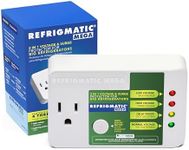
Indicator LightsIndicator lights on a surge protector show the status of the protection and grounding. This is important because it lets you know if the surge protector is functioning properly. Common indicator lights include 'Protected' and 'Grounded' lights. Ensure the surge protector has clear and easy-to-read indicator lights so you can monitor its status and replace it if necessary.
Warranty and Equipment Protection PolicyMany surge protectors come with a warranty and an equipment protection policy, which covers the cost of any devices damaged while connected to the surge protector. This is important for peace of mind and financial protection. Warranties can range from a few years to a lifetime, and equipment protection policies can cover thousands of dollars in damages. Check the warranty and protection policy details to ensure you are adequately covered.