Buying Guide for the Best Garage Kayak Holders
Choosing the right garage kayak holder is essential for keeping your kayak safe, secure, and out of the way when not in use. The right holder will help you maximize your garage space and ensure that your kayak is stored properly to prevent damage. When selecting a kayak holder, consider the type of kayak you have, the available space in your garage, and how often you need to access your kayak. Here are some key specifications to consider when choosing a garage kayak holder.Weight CapacityWeight capacity refers to the maximum weight that the kayak holder can support. This is important because you need to ensure that the holder can safely support the weight of your kayak. Kayak holders typically have weight capacities ranging from 50 to 200 pounds. If you have a lightweight kayak, a holder with a lower weight capacity will suffice. However, if you have a heavier kayak, such as a tandem or fishing kayak, you will need a holder with a higher weight capacity. Always check the weight of your kayak and choose a holder that can support at least that much weight.
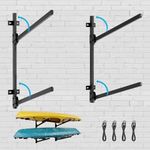
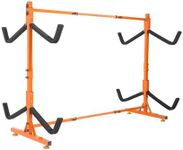
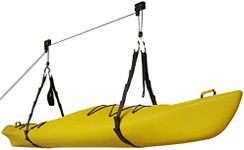
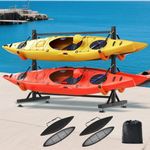
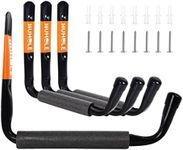
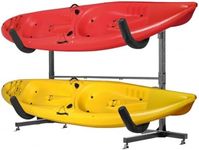
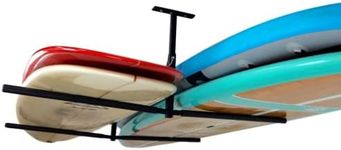
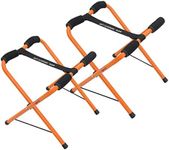
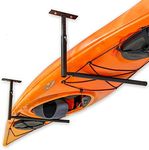
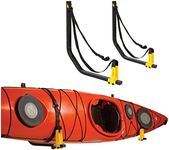
Mounting TypeMounting type refers to how the kayak holder is installed in your garage. There are several mounting options, including wall-mounted, ceiling-mounted, and freestanding holders. Wall-mounted holders are great for saving floor space and are ideal if you have limited garage space. Ceiling-mounted holders are perfect for keeping the kayak completely out of the way, but they require a bit more effort to install and access. Freestanding holders are versatile and can be moved around, but they take up floor space. Consider your garage layout and how much space you have available when choosing the mounting type.
AdjustabilityAdjustability refers to the ability to modify the holder to fit different sizes and shapes of kayaks. This is important if you have multiple kayaks or if you plan to get a different kayak in the future. Adjustable holders can accommodate various kayak widths and lengths, making them more versatile. Look for holders with adjustable arms or straps that can be customized to fit your specific kayak. If you have a single kayak and don't plan to change it, a non-adjustable holder that fits your kayak perfectly will work just fine.
Material and DurabilityThe material and durability of the kayak holder are crucial for ensuring that it can withstand the weight of the kayak and the conditions in your garage. Common materials include steel, aluminum, and heavy-duty plastic. Steel and aluminum holders are generally more durable and can support heavier kayaks, while plastic holders are lighter and easier to install. Consider the environment in your garage, such as humidity and temperature fluctuations, and choose a holder made from materials that can withstand these conditions. A durable holder will provide long-lasting support for your kayak.
Ease of InstallationEase of installation refers to how simple it is to set up the kayak holder in your garage. Some holders come with all the necessary hardware and clear instructions, making them easy to install yourself. Others may require more complex installation or professional help. If you're not handy with tools, look for a holder that is easy to install and comes with detailed instructions. If you don't mind a more involved installation process, you can opt for a holder that offers more features or a more secure mounting system.
AccessibilityAccessibility refers to how easy it is to access your kayak once it is stored in the holder. This is important if you use your kayak frequently and need to take it down and put it back up often. Wall-mounted and freestanding holders generally offer easier access compared to ceiling-mounted holders, which may require a ladder or pulley system. Consider how often you use your kayak and choose a holder that allows for convenient access. If you only use your kayak occasionally, a ceiling-mounted holder might be a good option to keep it out of the way.