Buying Guide for the Best Full Size Foldable Bikes
Choosing a full-size foldable bike can be a great decision for those who need the convenience of a compact bike without sacrificing the performance and comfort of a full-sized one. These bikes are perfect for commuters, travelers, or anyone with limited storage space. When selecting the right foldable bike, it's important to consider several key specifications to ensure it meets your needs and preferences.Frame MaterialThe frame material of a foldable bike affects its weight, durability, and ride quality. Common materials include aluminum, steel, and carbon fiber. Aluminum is lightweight and resistant to rust, making it a popular choice for commuters. Steel is heavier but offers a smoother ride and greater durability. Carbon fiber is the lightest and strongest but also the most expensive. Choose a frame material based on your need for portability, durability, and budget.
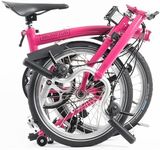
Folding MechanismThe folding mechanism determines how easily and quickly the bike can be folded and unfolded. There are various types, such as mid-fold, vertical fold, and triangle hinge. Mid-fold bikes fold in half and are generally easier to carry. Vertical fold bikes fold vertically and are more compact. Triangle hinge bikes fold into a triangular shape and are very compact but may take longer to fold. Consider how often you will need to fold and unfold the bike and choose a mechanism that suits your convenience.
Wheel SizeWheel size impacts the bike's ride quality, speed, and portability. Full-size foldable bikes typically have wheel sizes ranging from 20 to 26 inches. Larger wheels (24-26 inches) provide a smoother ride and better performance on rough terrain, making them suitable for longer commutes and varied surfaces. Smaller wheels (20-22 inches) make the bike more compact when folded and are easier to carry, ideal for short commutes and urban environments. Choose a wheel size based on your riding conditions and storage needs.
WeightThe weight of the bike is crucial for portability, especially if you need to carry it frequently. Full-size foldable bikes can weigh anywhere from 20 to 35 pounds. Lighter bikes are easier to carry and handle but may be less durable. Heavier bikes are more robust and offer a smoother ride but can be cumbersome to transport. Consider your strength and how often you will need to carry the bike when choosing the right weight.
Gear SystemThe gear system affects the bike's performance on different terrains and inclines. Foldable bikes can have single-speed or multi-speed (geared) systems. Single-speed bikes are simpler, lighter, and require less maintenance, suitable for flat terrains and short commutes. Multi-speed bikes offer more versatility and make it easier to tackle hills and varied terrains, ideal for longer rides and diverse environments. Choose a gear system based on the terrain you will be riding on and your preference for simplicity or versatility.
BrakesBrakes are essential for safety and control. Common types include rim brakes and disc brakes. Rim brakes are lighter and easier to maintain but may be less effective in wet conditions. Disc brakes offer better stopping power and performance in all weather conditions but are heavier and more complex to maintain. Consider the weather conditions and terrain you will be riding in when choosing the type of brakes.
Comfort FeaturesComfort features such as saddle quality, handlebar design, and suspension can greatly affect your riding experience. A comfortable saddle and ergonomic handlebars reduce strain on your body during long rides. Suspension systems (front or full) absorb shocks from rough terrain, providing a smoother ride. Evaluate your comfort needs and the typical duration and conditions of your rides to choose the right comfort features.