Buying Guide for the Best Foods For Puppies
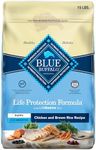
Choosing the right food for your puppy is crucial for their growth, development, and overall health. Puppies have different nutritional needs compared to adult dogs, so it's important to select a food that meets those specific requirements. When picking puppy food, consider factors such as the breed, size, and any specific health concerns your puppy may have. Always consult with your veterinarian to ensure you're making the best choice for your furry friend.Nutritional ContentNutritional content refers to the balance of proteins, fats, carbohydrates, vitamins, and minerals in the puppy food. This is important because puppies need a higher amount of protein and fat to support their rapid growth and development. Look for foods that list high-quality protein sources, such as chicken or lamb, as the first ingredient. Ensure the food contains essential fatty acids like DHA for brain development, and a balanced mix of vitamins and minerals to support overall health. If your puppy is very active or a larger breed, they may need more calories and nutrients compared to smaller or less active breeds.
Kibble SizeKibble size refers to the size of the dry food pieces. This is important because puppies have smaller mouths and teeth, so they need appropriately sized kibble to chew and digest their food easily. Small breed puppies will benefit from smaller kibble, while larger breed puppies can handle bigger pieces. Choosing the right kibble size helps prevent choking and ensures your puppy can comfortably eat their food.
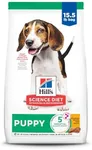
Life Stage AppropriatenessLife stage appropriateness means that the food is specifically formulated for puppies. This is important because puppies have different nutritional needs compared to adult or senior dogs. Puppy food is designed to support growth and development, with higher levels of protein, fat, and certain nutrients. Always check the packaging to ensure the food is labeled for puppies or all life stages. Feeding your puppy food meant for adults can lead to nutritional deficiencies and hinder their growth.
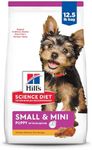
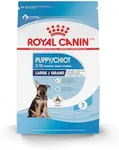
Breed-Specific FormulasBreed-specific formulas are foods tailored to the unique needs of certain breeds. This is important because different breeds have varying growth rates, potential health issues, and dietary requirements. For example, large breed puppies may need food with controlled calcium levels to prevent joint issues, while small breed puppies might require more calorie-dense food. If your puppy is a purebred, consider looking for breed-specific formulas to address their specific needs. Mixed breed puppies can usually thrive on general puppy formulas.
Allergen ConsiderationsAllergen considerations involve identifying and avoiding ingredients that your puppy may be allergic to. This is important because food allergies can cause discomfort, skin issues, and digestive problems. Common allergens include grains, certain proteins like beef or chicken, and artificial additives. If your puppy shows signs of allergies, such as itching, ear infections, or gastrointestinal upset, consult your veterinarian. They may recommend a hypoallergenic or limited ingredient diet to identify and eliminate the offending allergens.
Wet vs. Dry FoodWet vs. dry food refers to the form of the puppy food. Wet food is typically canned and has a higher moisture content, while dry food is kibble. This is important because each type has its benefits. Wet food can be easier for puppies to chew and digest, and it provides additional hydration. Dry food is more convenient, has a longer shelf life, and can help keep teeth clean. Some puppies may prefer one type over the other, or you might choose to mix both to provide variety. Consider your puppy's preferences, dental health, and your convenience when deciding between wet and dry food.