Buying Guide for the Best Flowtron Bug Zappers
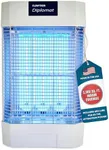
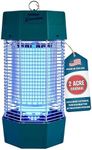
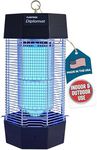
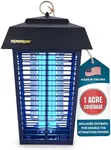
Choosing the right flowtron bug zapper can make a significant difference in your comfort and enjoyment of outdoor spaces. Bug zappers are designed to attract and eliminate flying insects, making your environment more pleasant. When selecting a bug zapper, it's important to consider several key specifications to ensure you get the best fit for your needs. Here are the main factors to consider and how to navigate them.Coverage AreaCoverage area refers to the amount of space the bug zapper can effectively protect. This is important because it determines how large an area the device can keep insect-free. Coverage areas are usually measured in square feet. For small patios or balconies, a zapper with a coverage area of up to 1,000 square feet may be sufficient. For larger yards or outdoor spaces, look for models that cover 1,500 square feet or more. Choose a coverage area that matches the size of the space you want to protect.
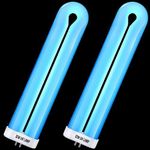
WattageWattage indicates the power of the bug zapper's light bulb, which attracts insects. Higher wattage generally means a brighter light and potentially more effective insect attraction. Bug zappers typically range from 15 to 40 watts. For areas with a high insect population, a higher wattage zapper (30-40 watts) may be more effective. For areas with fewer insects, a lower wattage (15-25 watts) should suffice. Consider the insect density in your area when choosing the wattage.
Type of LightBug zappers use different types of light to attract insects, such as ultraviolet (UV) light or LED light. UV light is highly effective at attracting a wide range of insects, while LED lights are energy-efficient and have a longer lifespan. If you need maximum effectiveness, UV light may be the better choice. If you prefer energy efficiency and longevity, consider an LED light zapper. Think about your priorities in terms of effectiveness versus energy savings when selecting the type of light.
Construction MaterialThe construction material of a bug zapper affects its durability and weather resistance. Common materials include plastic and metal. Metal zappers are generally more durable and can withstand harsh weather conditions better than plastic ones. However, plastic zappers are often lighter and easier to move. If you plan to leave the zapper outdoors in all weather conditions, a metal construction may be more suitable. For occasional use or if you need to move it frequently, a plastic model might be more convenient.
MaintenanceMaintenance involves how easy it is to clean and maintain the bug zapper. Some models come with removable trays that collect dead insects, making them easier to clean. Others may require more effort to disassemble and clean. If you prefer low-maintenance options, look for zappers with easy-to-remove trays or self-cleaning features. Consider how much time and effort you are willing to spend on maintenance when choosing a bug zapper.
Safety FeaturesSafety features are important to prevent accidental contact with the electric grid, especially if you have children or pets. Look for zappers with protective outer grids that prevent fingers or paws from reaching the electrified parts. Some models also have automatic shut-off features if the device is tampered with. Prioritize safety features if you have a household with young children or pets to ensure safe operation.