Buying Guide for the Best Fabric Cutting Machines
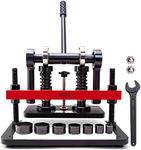
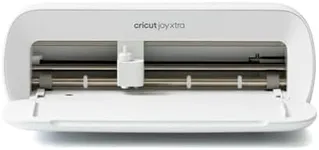
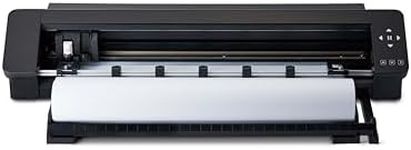
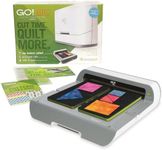
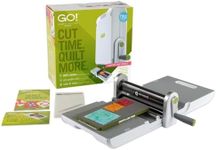
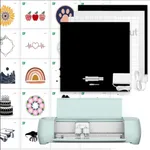
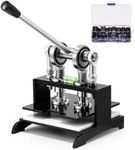
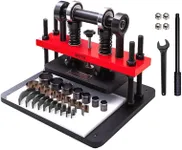
Choosing the right fabric-cutting machine can significantly enhance your sewing or crafting projects. The right machine will save you time, improve accuracy, and make your work more enjoyable. When selecting a fabric-cutting machine, consider the types of projects you will be working on, the materials you will be cutting, and your level of experience. Here are some key specifications to consider when choosing a fabric-cutting machine.Cutting MechanismThe cutting mechanism refers to how the machine cuts the fabric. There are manual, electric, and digital cutting machines. Manual machines require physical effort and are suitable for simple projects. Electric machines use a motor to cut fabric and are ideal for more frequent use. Digital machines use software to control the cutting process and are perfect for intricate designs and high-volume projects. Choose a cutting mechanism based on the complexity and volume of your work.
Cutting WidthCutting width is the maximum width of fabric that the machine can handle in one pass. This is important because it determines the size of the fabric pieces you can cut. Machines with a smaller cutting width (up to 12 inches) are suitable for small projects like quilting or crafting. Medium cutting width (12-24 inches) is good for larger projects like garment making. Large cutting width (over 24 inches) is ideal for industrial use or very large projects. Consider the typical size of your projects when choosing the cutting width.
Blade TypeThe blade type affects the precision and types of materials you can cut. Rotary blades are common and suitable for most fabrics. Straight blades are good for thicker materials like leather or multiple layers of fabric. Specialty blades, such as pinking or wave blades, create decorative edges. Choose a blade type based on the materials you will be cutting and the finish you desire.
Ease of UseEase of use includes factors like the machine's weight, portability, and user interface. Lightweight and portable machines are great for crafters who need to move their machine frequently. Machines with intuitive controls and clear instructions are ideal for beginners. More advanced users might prefer machines with customizable settings and advanced features. Consider your comfort level and how often you will be using the machine when evaluating ease of use.
DurabilityDurability refers to how well the machine can withstand frequent use and the types of materials it can handle. Machines made from high-quality materials and with robust construction are more durable and can handle heavy-duty use. If you plan to use the machine frequently or for cutting tough materials, look for a durable model. For occasional use or lighter materials, a less durable machine may suffice.
Compatibility with AccessoriesCompatibility with accessories means the machine can work with additional tools and attachments, such as different blades, cutting mats, and software. This is important for expanding the machine's capabilities and customizing it to your needs. If you plan to do a variety of projects, look for a machine that is compatible with a wide range of accessories. If your projects are more specialized, ensure the machine supports the specific accessories you need.