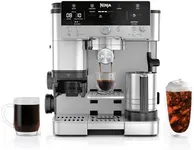
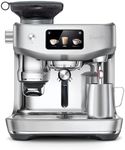
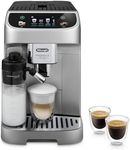
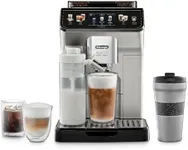
Buying Guide for the Best Espresso Machines For Home
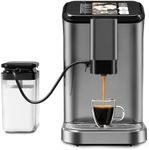
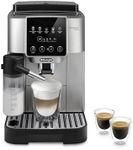
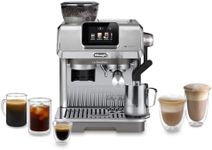
Choosing the right espresso machine for your home can be a delightful yet daunting task. With so many options available, it's important to understand the key specifications that will help you make an informed decision. By focusing on these specs, you can find a machine that fits your needs and preferences, ensuring you enjoy a perfect cup of espresso every time.Type of MachineEspresso machines come in various types, including manual, semi-automatic, automatic, and super-automatic. Manual machines require the most skill and control, allowing you to fine-tune every aspect of the brewing process. Semi-automatic machines automate some steps but still give you control over extraction time. Automatic machines handle most of the process for you, while super-automatic machines do everything from grinding the beans to frothing the milk. Choose a type based on your skill level and how much control you want over the brewing process.
PressurePressure is measured in bars and is crucial for extracting the perfect espresso. Most machines operate at 9 bars, which is considered the ideal pressure for espresso extraction. Some machines offer higher pressure, but anything above 15 bars is generally unnecessary. If you're a beginner, a machine with a consistent 9-bar pressure will suffice. More experienced users might appreciate the flexibility of adjustable pressure settings.
Boiler TypeThe boiler heats the water for brewing and steaming. There are three main types: single boiler, dual boiler, and heat exchanger. Single boilers are more affordable but require time to switch between brewing and steaming. Dual boilers allow simultaneous brewing and steaming, making them ideal for those who frequently make milk-based drinks. Heat exchangers offer a middle ground, allowing you to brew and steam with minimal wait time. Consider your drink preferences and how often you'll be making milk-based drinks when choosing a boiler type.
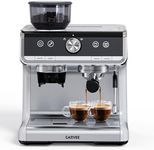
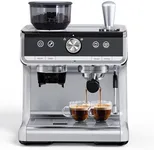
GrinderSome espresso machines come with built-in grinders, while others require a separate grinder. A built-in grinder can save space and ensure you always have freshly ground coffee. Look for machines with conical burr grinders, as they provide a consistent grind size, which is essential for a good espresso. If you prefer to use a separate grinder, make sure it can produce a fine, consistent grind suitable for espresso.
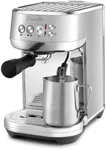
Milk FrothingIf you enjoy milk-based drinks like lattes and cappuccinos, consider the milk frothing capabilities of the machine. Some machines come with manual steam wands, which require some skill to use but offer more control over the frothing process. Others have automatic frothers that make the process easier but offer less control. Choose based on your comfort level and how much control you want over the frothing process.
Water Reservoir SizeThe size of the water reservoir determines how often you'll need to refill it. Smaller reservoirs are fine for occasional use but can be inconvenient if you make multiple drinks daily. Larger reservoirs are more convenient for frequent use but can make the machine bulkier. Consider how often you'll be using the machine and how much space you have in your kitchen when choosing a reservoir size.
Ease of CleaningRegular cleaning is essential for maintaining the quality of your espresso and the longevity of your machine. Some machines have removable parts that are dishwasher safe, making cleaning easier. Others have automatic cleaning cycles that simplify maintenance. Consider how much time you're willing to spend on cleaning and choose a machine that fits your lifestyle.