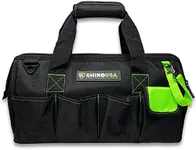
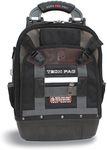
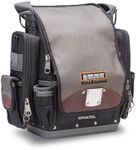
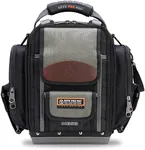
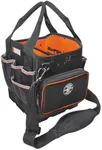
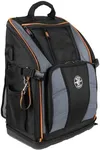
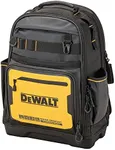
Buying Guide for the Best Electrician Tool Bags
Choosing the right electrician tool bag is essential for any professional or DIY enthusiast. A good tool bag helps you stay organized, protects your tools, and makes it easier to transport them to different job sites. When selecting a tool bag, consider the types of tools you use, how often you need to access them, and the environments in which you work. Here are some key specifications to consider when picking the best electrician tool bag for your needs.MaterialThe material of the tool bag is crucial because it determines the bag's durability and weight. Common materials include canvas, nylon, and polyester. Canvas is very durable and can withstand rough conditions, but it can be heavier. Nylon and polyester are lighter and often water-resistant, making them suitable for various environments. Choose a material based on the conditions you work in and how much weight you are comfortable carrying.
Size and CapacitySize and capacity refer to how much space the tool bag offers and how many tools it can hold. Tool bags come in various sizes, from compact bags for essential tools to larger ones that can carry a full set of electrician tools. Consider the number of tools you need to carry regularly and choose a size that fits your needs without being too bulky or heavy.
Pockets and CompartmentsPockets and compartments help keep your tools organized and easily accessible. Look for a tool bag with a variety of pocket sizes and types, including zippered pockets, open compartments, and specialized holders for specific tools. The right number and type of pockets depend on your tool collection and how you prefer to organize them. More pockets can help with organization, but too many can make the bag cumbersome.
Comfort and ErgonomicsComfort and ergonomics are important because you may be carrying the tool bag for extended periods. Look for features like padded shoulder straps, ergonomic handles, and even weight distribution. These features can reduce strain on your body and make it easier to carry the bag, especially if it is heavy. Consider how you will be transporting the bag and choose one that offers the best comfort for your needs.
DurabilityDurability is a measure of how well the tool bag can withstand wear and tear. Look for reinforced stitching, heavy-duty zippers, and sturdy construction. A durable tool bag will last longer and protect your tools better. If you work in harsh environments or frequently move between job sites, investing in a more durable bag is essential.
Water ResistanceWater resistance is important if you work in environments where your tools might get wet. A water-resistant tool bag will protect your tools from moisture and prevent rust. Look for materials like treated canvas, nylon, or polyester, and features like waterproof zippers or sealed seams. If you often work outdoors or in damp conditions, a water-resistant bag is a good choice.
AccessibilityAccessibility refers to how easily you can reach your tools when you need them. A good tool bag design allows you to quickly find and retrieve tools without having to dig through the entire bag. Look for features like wide openings, clear pockets, and tool loops. Consider how often you need to access your tools and choose a bag that makes it easy to get to them quickly.