Buying Guide for the Best Dyson Pet Vacuums
When choosing a vacuum cleaner to tackle pet hair and mess, especially from a brand like Dyson, it's important to look beyond just appearance or advertising claims. Focus on understanding which features really make a difference for pet owners. The right vacuum can help keep your home clean, reduce allergens, and make your cleaning routine much easier. Instead of just picking the most expensive or newest model, match its capabilities to your specific needs—like the types of floors you have, the size of your space, and how much shedding your pets do. By looking at a few key specifications and understanding how they affect cleaning performance and user experience, you can make a choice that saves you time and effort every day.Suction PowerSuction power determines the vacuum's ability to lift pet hair, dust, and debris from surfaces. It's especially important for pet owners because pet hair can get deeply embedded in carpets and upholstery. Vacuums usually advertise their suction using air watts (AW). Lower numbers are fine for hard floors and light fur, but higher numbers (typically 150AW and above) are needed if you have thick carpets or multiple shedding pets. Think about where your pets shed most and how stubborn their hair is—choose higher suction for heavy messes or plush rugs, but you can go lighter if most of your surfaces are hard floors or low-pile carpets.
Filtration SystemA good filtration system, like HEPA filters, helps trap allergens like dander, pollen, and dust, which is crucial for homes with pets. HEPA filters capture tiny particles and prevent them from being released back into the air. Basic vacuums have standard filters that catch bigger particles but may let fine allergens pass through. If anyone in your household is sensitive to allergies or asthma, aim for models with advanced or sealed HEPA filtration. If allergies aren't a big concern, standard filtration may be enough.
Brush Roll TypeThe brush roll directly affects how well pet hair is lifted from different types of flooring. There are several types: soft rollers for hard floors, bristle brushes for carpets, and tangle-free brush rolls designed to resist long pet hair wrapping around them. If you have many carpets and long-haired pets, look for anti-tangle or self-cleaning brush rolls. For hard floors and short-haired pets, you can opt for simpler roller designs.
Bin CapacityBin capacity means how much dust and fur the vacuum can hold before needing to be emptied. Pet owners usually fill up the bin quickly, especially during shedding season. Smaller bins require more frequent emptying, which can be inconvenient if you have multiple pets or a large area to clean. If you have several pets or clean often, grab a vacuum with a larger bin. For light cleaning or one small pet, a smaller bin may suit you fine.
Weight and ManeuverabilityWeight and maneuverability affect how easily you can move the vacuum around furniture, stairs, and tight spaces where pet hair tends to hide. Lighter vacuums are easier to carry upstairs and use for quick clean-ups, while heavier models may be harder to maneuver but sometimes offer stronger suction. If you’ll need to lift or move the vacuum a lot, or if you have physical limitations, prefer lighter models. If you mostly clean open areas and don’t mind heavier devices, this may matter less.
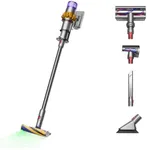
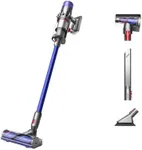
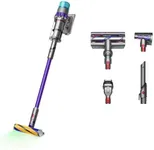
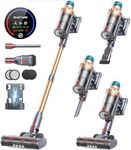
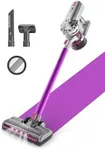
Accessories and AttachmentsSpecialized attachments, like pet hair tools, crevice tools, and upholstery brushes, make a big difference when cleaning furniture, car seats, or hard-to-reach corners. Some vacuums include motorized mini tools designed specifically for pet hair, which work well on couches or pet beds. If your pets spend time on furniture or travel in your car, look for models with suitable attachments. If you only clean floors, standard tools may suffice.