Buying Guide for the Best Door Locks With Keys
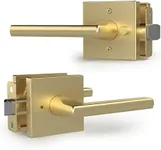
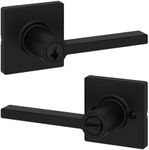
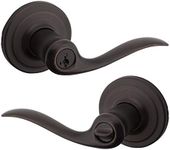
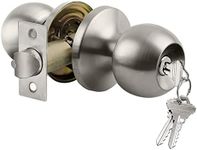
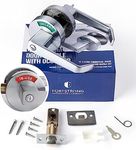
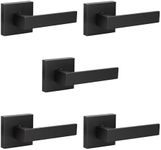
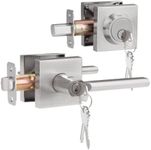
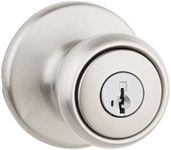
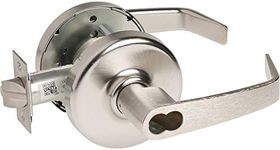
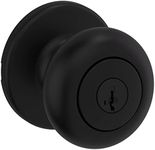
Choosing the right door lock with keys is crucial for ensuring the security and convenience of your home or office. There are various types of door locks available, each with different features and specifications. Understanding these key specifications will help you make an informed decision that best suits your needs. Here are the main aspects to consider when selecting a door lock with keys.Lock TypeThe lock type refers to the mechanism used to secure the door. Common types include deadbolts, knob locks, and lever handle locks. Deadbolts are known for their high security and are often used on exterior doors. Knob locks are more common on interior doors and provide basic security. Lever handle locks are easier to operate and are often used in commercial settings or for accessibility purposes. Choose a lock type based on the level of security you need and the door's location.
MaterialThe material of the lock affects its durability and resistance to tampering. Common materials include brass, stainless steel, and zinc alloy. Brass is durable and resistant to corrosion, making it a good choice for exterior locks. Stainless steel is strong and offers excellent resistance to rust and wear, suitable for both interior and exterior use. Zinc alloy is less expensive but still provides good durability for interior locks. Consider the environment where the lock will be used and choose a material that offers the best balance of durability and cost.
Security GradeSecurity grades are ratings that indicate the level of security a lock provides. These grades are often determined by standards organizations such as ANSI (American National Standards Institute). Grade 1 locks offer the highest level of security and are suitable for commercial and high-security residential applications. Grade 2 locks provide a good balance of security and affordability, making them ideal for most residential uses. Grade 3 locks offer basic security and are typically used for interior doors. Choose a security grade based on the level of protection you need for the specific door.
Keyway TypeThe keyway type refers to the design of the key and the lock's internal mechanism. Common keyway types include standard pin tumbler, high-security, and restricted keyways. Standard pin tumbler keyways are widely used and offer basic security. High-security keyways have additional features such as side pins or unique key shapes that make them more resistant to picking and bumping. Restricted keyways are controlled by the manufacturer, meaning that keys can only be duplicated by authorized dealers, providing an extra layer of security. Consider the level of key control and security you need when choosing a keyway type.
InstallationThe ease of installation can vary depending on the lock type and your door's existing setup. Some locks are designed for easy DIY installation, while others may require professional assistance. Consider whether you are comfortable installing the lock yourself or if you will need to hire a professional. Additionally, check if the lock is compatible with your door's thickness and existing hardware. Choosing a lock that is easy to install and compatible with your door can save time and effort.
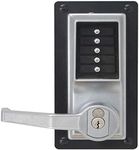
Additional FeaturesSome door locks come with additional features that can enhance security and convenience. These may include features such as keyless entry options, smart lock capabilities, and anti-drill or anti-pick protections. Keyless entry options, such as keypad or biometric locks, offer convenience and eliminate the need for physical keys. Smart locks can be controlled remotely via a smartphone app, providing added flexibility and security. Anti-drill and anti-pick protections make the lock more resistant to tampering. Consider which additional features are important to you and how they can improve the security and convenience of your lock.