We Use CookiesWe use cookies to enhance the security, performance, functionality and for analytical and promotional activities. By continuing to browse this site you are agreeing to our privacy policy

Best Dolby Atmos Av Receivers

From leading brands and best sellers available on the web.
#1

Winner

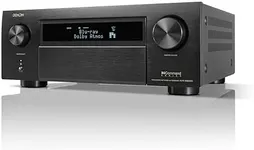
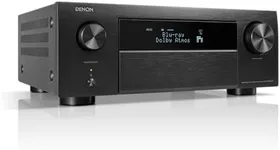
Denon AVR-X6800H 11.4 Channel AV Re

Denon

Denon AVR-X6800H 11.4 Channel AV Receiver - 140W/Ch, Built-in HEOS, WiFi, & Bluetooth - Dolby Vision, HLG, HDR10+, Dynamic HDR & Dolby Atmos Height Virtualization - Home Audio Receivers & Amplifiers

View on Amazon
#2
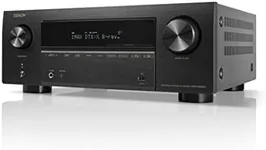
Denon AVR-X4800H 9.4-Ch Receiver, 8

Denon

Denon AVR-X4800H 9.4-Ch Receiver, 8K UHD Home Theater Stereo Receivers (125W X 9) Built-in Bluetooth, Wi-Fi HEOS, Multi-Room Streaming, Dolby Atmos, DTS:X Pro, IMAX Enhanced Auro & 3D
View on Amazon
#3
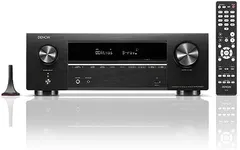
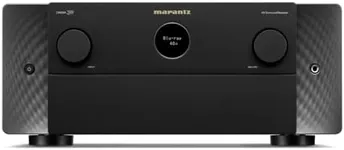
Denon AVR-X3800H 9.4-Ch 8K UHD AVR

Denon

Denon AVR-X3800H 9.4-Ch 8K UHD AVR Home Theater Stereo Receiver, (105W X 9) Built-in Bluetooth Wi-Fi & HEOS Multi-Room Streaming Dolby Atmos DTS:X IMAX Enhanced & Auro 3D
View on Amazon
#4
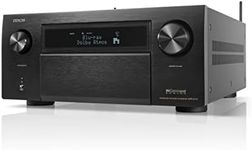
Marantz Cinema 30 11.4 Channel 8K H

Marantz

Marantz Cinema 30 11.4 Channel 8K Home Theater Receiver with Dolby Atmos & IMAX Enhanced Audio (Black)
View on Amazon
#5
Denon AVR-A1H 15.4-Ch Receiver (150

Denon

Denon AVR-A1H 15.4-Ch Receiver (150W X 15) - 4K/120 and 8K Home Theater Receiver (2022), Wireless Streaming via Bluetooth, Wi-Fi & HEOS Multi-Room, Dolby Atmos, DTS:X Pro, IMAX Enhanced & Auro 3D

View on Amazon
#6
Marantz Cinema 40 9.4-Ch Receiver (

Marantz

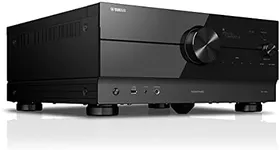
Marantz Cinema 40 9.4-Ch Receiver (125W X 9) - 4K/120 and 8K Home Theater Receiver (2022 Model), Built-in Bluetooth, Wi-Fi & HEOS Multi-Room, Supports Dolby Atmos, DTS:X Pro, IMAX Enhanced & Auro 3D
View on Amazon
#7
Yamaha RX-A8A AVENTAGE 11.2-Channel

Yamaha

9%OFF

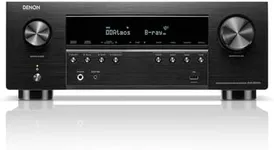
Yamaha RX-A8A AVENTAGE 11.2-Channel AV Receiver - 8K and 4K/120, eARC, Dolby Atmos, DTS:X, Auro-3D, Surround:AI, Wi-Fi, Bluetooth, MusicCast
View on Amazon
#8
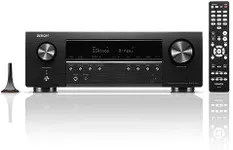
Denon AVR-S970H 8K Ultra HD 7.2 Cha

Denon

Denon AVR-S970H 8K Ultra HD 7.2 Channel (90W X 7) AV Home Audio Receiver, Built for Gaming, Music Streaming, 3D Audio & Video, Alexa + HEOS, Black, Bluetooth Amplifier

View on Amazon
#9
Marantz Cinema 50 9.4-Ch Receiver (

Marantz

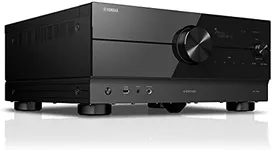
Marantz Cinema 50 9.4-Ch Receiver (110W X 9) - 4K/120 and 8K Home Theater Receiver (2022 Model), Built-in Bluetooth, Wi-Fi & HEOS Multi-Room, Supports Dolby Atmos, DTS:X Pro, IMAX Enhanced & Auro 3D
View on Amazon
#10
Yamaha RX-A6A AVENTAGE 9.2-Channel

Yamaha

6%OFF

Yamaha RX-A6A AVENTAGE 9.2-Channel AV Receiver – 8K and 4K/120 HDMI, eARC, Dolby Atmos, DTS:X, Auro-3D, Surround:AI, Wi-Fi, Bluetooth, MusicCast

View on Amazon
How do we rank products for you?

Our technology thoroughly searches through the online shopping world, reviewing hundreds of sites. We then process and analyze this information, updating in real-time to bring you the latest top-rated products. This way, you always get the best and most current options available.

headphones-stars

Most Popular Categories Right Now

Buying Guide for the Best Dolby Atmos Av Receivers

When choosing a Dolby Atmos AV receiver, it's important to understand the key specifications that will impact your overall audio experience. Dolby Atmos is a surround sound technology that adds height channels, allowing sounds to be interpreted as three-dimensional objects. This creates a more immersive audio experience. To ensure you get the best receiver for your needs, consider the following key specifications and how they align with your preferences and setup.
ChannelsChannels refer to the number of separate audio signals the receiver can process and output. For Dolby Atmos, you typically need at least 5.1.2 channels, where the first number represents the traditional surround sound speakers, the second number represents the subwoofer, and the third number represents the height speakers. More channels can provide a more immersive experience, but they also require more speakers and a larger space. If you have a smaller room or fewer speakers, a 5.1.2 or 7.1.2 setup might be sufficient. For larger rooms or more complex setups, consider 9.1.2 or even 11.1.4 channels.
Power OutputPower output, measured in watts per channel, indicates how much power the receiver can deliver to each speaker. Higher power output can result in louder and clearer sound, especially in larger rooms. However, more power isn't always better if your speakers or room size don't require it. For small to medium-sized rooms, 50-100 watts per channel is usually adequate. For larger rooms or more demanding speakers, look for receivers with 100-150 watts per channel or more.
ConnectivityConnectivity options determine how you can connect your devices to the receiver. Key connections include HDMI inputs and outputs, optical and coaxial digital inputs, and analog inputs. HDMI is crucial for high-definition audio and video, and more HDMI ports allow you to connect multiple devices like gaming consoles, Blu-ray players, and streaming devices. Look for receivers with at least 4-6 HDMI inputs to ensure flexibility. Additionally, consider wireless connectivity options like Bluetooth and Wi-Fi for streaming music from your devices.
Room CalibrationRoom calibration technology helps optimize the sound based on your room's acoustics. This feature uses a microphone to measure sound reflections and automatically adjusts the receiver's settings for the best audio performance. Popular calibration systems include Audyssey, YPAO, and MCACC. If you want the best possible sound without manually tweaking settings, look for a receiver with a robust room calibration system. This is especially important if your room has challenging acoustics or an irregular shape.
Audio FormatsSupport for various audio formats ensures compatibility with different types of content. Besides Dolby Atmos, look for receivers that support DTS:X, Dolby TrueHD, and DTS-HD Master Audio. These formats provide high-quality, immersive sound for movies, music, and games. If you consume a lot of high-definition content, having support for multiple audio formats will enhance your listening experience. Make sure the receiver you choose supports the formats most relevant to your media consumption.
User Interface and Ease of UseA user-friendly interface makes it easier to set up and control your receiver. Look for receivers with clear on-screen menus, intuitive remote controls, and possibly even mobile app support. Some receivers also offer voice control compatibility with systems like Amazon Alexa or Google Assistant. If you're not very tech-savvy or want a hassle-free experience, prioritize receivers known for their ease of use and straightforward setup process.