We Use CookiesWe use cookies to enhance the security, performance,
functionality and for analytical and promotional activities. By continuing to browse this site you
are agreeing to our privacy policy
Best Dewalt Electric Planers
From leading brands and best sellers available on the web.

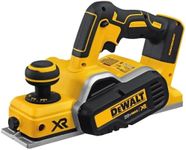
#2
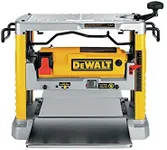
DEWALT
5%OFF
DEWALT Benchtop Planer, 15-Amp, 12-1/2-Inch, 3-Knife Cutter, 20,000 RPM, Corded (DW734)
View on Amazon
#3
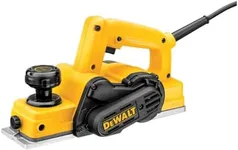
DEWALT
DEWALT Hand Planer, 5.5-Amp, 3-1/4-Inch (D26676)
View on Amazon
#4
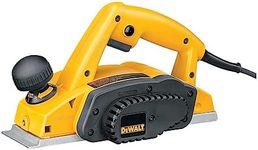
DEWALT
DEWALT DW680K 7 Amp 3-1/4" Planer
View on Amazon
How do we rank products for you?
Our technology thoroughly searches through the online shopping world, reviewing hundreds of sites. We then process and analyze this information, updating in real-time to bring you the latest top-rated products. This way, you always get the best and most current options available.
Most Popular Categories Right Now


Buying Guide for the Best Dewalt Electric Planers
When choosing a DeWalt electric planer, it's important to consider several key specifications to ensure you select the right model for your needs. Electric planers are essential tools for woodworking, allowing you to smooth and level surfaces with precision. Understanding the key specs will help you make an informed decision and get the best performance for your projects.PowerPower is measured in amps and indicates the strength of the motor. A higher amp rating means the planer can handle tougher materials and more demanding tasks. For light-duty work, a planer with 5-7 amps may suffice. For more intensive tasks or frequent use, consider a planer with 8-10 amps or more. Your choice should depend on the type of wood you plan to work with and the frequency of use.
Cutting DepthCutting depth refers to how much material the planer can remove in a single pass. This is important for efficiency and achieving the desired finish. Planers typically offer adjustable cutting depths, ranging from 1/16 inch to 1/8 inch or more. For fine, detailed work, a smaller cutting depth is ideal. For larger, rougher projects, a greater cutting depth will save time and effort. Consider the nature of your projects to determine the appropriate cutting depth.
Blade Type and QualityThe type and quality of the blades affect the smoothness and precision of the cut. High-speed steel (HSS) blades are common and suitable for general use, while carbide blades are more durable and stay sharp longer, making them ideal for heavy-duty tasks. If you plan to use the planer frequently or on harder woods, investing in carbide blades may be worthwhile. For occasional use or softer woods, HSS blades should be sufficient.
Planing WidthPlaning width is the maximum width of material the planer can handle in a single pass. Common widths range from 3 to 6 inches. A wider planing width allows you to work on larger pieces of wood more efficiently. If you primarily work with smaller pieces, a narrower width will be adequate. For larger projects or if you want more versatility, opt for a planer with a wider planing width.
Weight and ErgonomicsThe weight and ergonomics of the planer affect its ease of use and comfort during extended periods. Lighter planers are easier to maneuver and less tiring to use, but may not be as powerful. Heavier planers offer more stability and power but can be cumbersome. Ergonomic features like comfortable grips and well-placed controls enhance usability. Consider how long you'll be using the planer and your physical comfort when choosing the right weight and ergonomic design.
Dust CollectionDust collection is crucial for maintaining a clean work environment and ensuring visibility while working. Planers with built-in dust collection systems or ports for attaching a vacuum can significantly reduce the amount of dust generated. If you work in a small or enclosed space, or if you prioritize cleanliness, look for a planer with an efficient dust collection system. This feature can also prolong the life of the tool by preventing dust buildup.