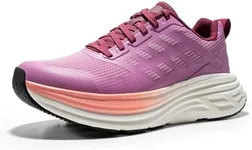
Buying Guide for the Best Cushioned Walking Shoes For Women
Choosing the right cushioned walking shoes for women is essential for comfort, support, and overall foot health. The right pair can make a significant difference in your walking experience, whether you're taking a casual stroll, walking for exercise, or spending long hours on your feet. To find the best fit for you, it's important to consider several key specifications that will ensure the shoes meet your specific needs and preferences.CushioningCushioning refers to the padding and support provided by the shoe, which helps absorb impact and reduce stress on your feet and joints. This is particularly important for walking shoes, as it can prevent discomfort and injuries. Cushioning can vary from minimal to maximum. Minimal cushioning is suitable for those who prefer a more natural feel and have no existing foot issues. Moderate cushioning is ideal for everyday walking and provides a balance of comfort and support. Maximum cushioning is best for those who need extra support due to foot problems or who walk long distances regularly. Consider your walking habits and any foot conditions when choosing the level of cushioning.
Arch SupportArch support is the part of the shoe that supports the arch of your foot, helping to maintain proper alignment and reduce strain. This is crucial for preventing foot pain and conditions like plantar fasciitis. Arch support can be categorized into low, medium, and high. Low arch support is suitable for those with flat feet or low arches. Medium arch support is ideal for people with normal arches, providing adequate support for most walking activities. High arch support is necessary for those with high arches, offering the extra support needed to prevent discomfort. Determine your arch type and choose shoes that provide the appropriate level of support.
Fit and SizeThe fit and size of your walking shoes are critical for comfort and performance. Shoes that are too tight can cause blisters and discomfort, while shoes that are too loose can lead to instability and foot fatigue. When trying on shoes, ensure there is enough room in the toe box for your toes to move freely, and that the heel fits snugly without slipping. It's also important to consider the width of the shoe, as some brands offer narrow, regular, and wide options. Always try on shoes at the end of the day when your feet are slightly swollen to get the most accurate fit. Pay attention to how the shoes feel when you walk and choose the size that offers the best combination of comfort and support.
BreathabilityBreathability refers to how well the shoe allows air to circulate, keeping your feet cool and dry. This is important for preventing sweat and odor, as well as reducing the risk of blisters and fungal infections. Breathable shoes are typically made from materials like mesh or have ventilation features. If you walk in warm climates or tend to have sweaty feet, look for shoes with good breathability. For cooler climates or if you prefer more warmth, you might opt for shoes with less ventilation. Consider your walking environment and personal comfort preferences when evaluating breathability.
DurabilityDurability is the shoe's ability to withstand wear and tear over time. This is important for ensuring that your walking shoes last and provide consistent support and comfort. Durable shoes are typically made from high-quality materials and have reinforced areas like the toe and heel. If you walk frequently or on rough terrain, look for shoes with a reputation for durability. For occasional or light walking, you may not need the most durable option, but it's still important to choose a well-constructed shoe. Assess your walking habits and choose a shoe that will hold up to your specific use.
WeightThe weight of the shoe can affect your walking experience, with lighter shoes generally being more comfortable for long distances. Heavy shoes can cause fatigue and slow you down, while lightweight shoes can make walking feel easier and more enjoyable. However, lighter shoes may sometimes compromise on cushioning and support. If you prioritize a lightweight feel, look for shoes that balance weight with adequate cushioning and support. For those who need more support or walk on uneven surfaces, a slightly heavier shoe might be more appropriate. Consider your walking distance and terrain when choosing the weight of your shoes.