Buying Guide for the Best Compact Handheld Vacuums
When choosing a compact handheld vacuum, it's important to consider your specific needs and preferences. These vacuums are designed for quick clean-ups and are perfect for small spaces, cars, or spot cleaning. To find the best fit for you, focus on the key specifications that will impact the vacuum's performance and usability. Here are the main specs to consider and how to navigate them.Suction PowerSuction power determines how effectively the vacuum can pick up dirt and debris. It's usually measured in air watts (AW) or volts (V). Higher suction power means better cleaning performance, especially on carpets and upholstery. For light cleaning tasks, a vacuum with lower suction power (around 15-20 AW) may suffice. For more demanding tasks, such as pet hair or larger debris, look for higher suction power (above 20 AW). Consider your cleaning needs to choose the right suction power.
Battery LifeBattery life indicates how long the vacuum can operate on a single charge. This is crucial for cordless models. Battery life is typically measured in minutes. For quick, occasional clean-ups, a battery life of 10-15 minutes may be adequate. If you plan to use the vacuum for extended periods or larger areas, look for models with longer battery life (20 minutes or more). Think about how long you usually spend cleaning to determine the appropriate battery life for your needs.
WeightWeight affects the ease of use and portability of the vacuum. Lighter models are easier to maneuver and carry, especially for extended periods. Handheld vacuums typically weigh between 2 to 5 pounds. If you need a vacuum for quick, light tasks, a lighter model (around 2-3 pounds) will be more comfortable. For more intensive cleaning, a slightly heavier model (4-5 pounds) might offer better performance and durability. Consider how long you'll be using the vacuum and your ability to handle its weight.
Dustbin CapacityDustbin capacity refers to the amount of dirt and debris the vacuum can hold before needing to be emptied. It's usually measured in liters or ounces. Smaller capacities (around 0.3-0.5 liters) are suitable for quick, small clean-ups, while larger capacities (0.5 liters or more) are better for extended cleaning sessions. If you don't want to frequently empty the dustbin, opt for a larger capacity. Think about the typical size of your cleaning tasks to choose the right dustbin capacity.
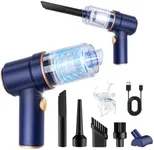
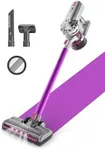
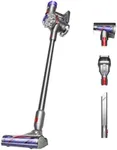
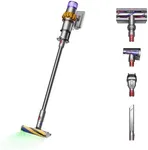
Attachments and AccessoriesAttachments and accessories enhance the vacuum's versatility and effectiveness for different cleaning tasks. Common attachments include crevice tools, brush tools, and pet hair tools. If you need to clean tight spaces, a crevice tool is essential. For upholstery and delicate surfaces, a brush tool is useful. Pet owners should look for models with specialized pet hair tools. Consider the types of surfaces and areas you'll be cleaning to determine which attachments are necessary for you.
Filter TypeThe filter type affects the vacuum's ability to trap dust and allergens. Common filter types include standard filters, HEPA filters, and washable filters. HEPA filters are highly effective at capturing small particles and are ideal for allergy sufferers. Washable filters are convenient and cost-effective, as they can be reused. Standard filters are suitable for general cleaning tasks. Consider any allergies or sensitivities you have, as well as your preference for maintenance, to choose the right filter type.
Noise LevelNoise level is an important consideration if you prefer a quieter cleaning experience. It's usually measured in decibels (dB). Lower noise levels (around 60-70 dB) are more comfortable for prolonged use and less disruptive. Higher noise levels (above 70 dB) might be tolerable for short, quick clean-ups. If you have young children, pets, or prefer a quieter environment, look for models with lower noise levels. Think about your tolerance for noise and the typical cleaning environment to choose the right noise level.