Buying Guide for the Best Compact Gas Stoves
Choosing the right compact gas stove can significantly enhance your cooking experience, especially if you have limited kitchen space. When selecting a compact gas stove, it's essential to consider various specifications to ensure it meets your cooking needs and fits well in your kitchen. Here are some key specs to look out for and how to navigate them.Size and DimensionsSize and dimensions are crucial when selecting a compact gas stove, as they determine how well the stove will fit in your kitchen space. Compact gas stoves come in various sizes, typically ranging from 20 to 24 inches in width. If you have a very small kitchen, you might opt for a stove on the smaller end of this range. Measure your available space carefully and ensure the stove you choose will fit comfortably without crowding your kitchen.
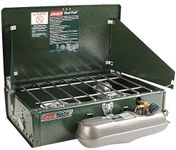
Number of BurnersThe number of burners on a gas stove affects how many dishes you can cook simultaneously. Compact gas stoves usually have between two to four burners. If you often cook multiple dishes at once, a stove with more burners will be beneficial. However, if you primarily cook simple meals or have limited space, a two-burner stove might be sufficient. Consider your cooking habits and the types of meals you prepare regularly to determine the right number of burners for you.
BTU RatingBTU (British Thermal Units) rating measures the heat output of the burners. Higher BTU ratings mean more powerful burners that can cook food faster. Compact gas stoves typically have burners with BTU ratings ranging from 5,000 to 12,000 BTUs. If you frequently cook dishes that require high heat, such as stir-frying or boiling, opt for a stove with higher BTU ratings. For everyday cooking, lower BTU ratings may be sufficient and more energy-efficient.
Material and Build QualityThe material and build quality of a gas stove affect its durability and ease of cleaning. Common materials include stainless steel, cast iron, and enamel. Stainless steel is popular for its durability and resistance to rust and stains. Cast iron is excellent for even heat distribution but requires more maintenance. Enamel-coated stoves are easy to clean but may chip over time. Choose a material that suits your maintenance preferences and aesthetic tastes.
Ignition TypeIgnition type refers to how the burners are lit. There are two main types: manual ignition and automatic (electric) ignition. Manual ignition requires a match or lighter, while automatic ignition uses a built-in electric spark. Automatic ignition is more convenient and safer, especially for those who may have difficulty using matches. Consider your preference for convenience and safety when choosing the ignition type.
Safety FeaturesSafety features are essential to prevent accidents and ensure safe operation. Look for features such as flame failure protection, which automatically shuts off the gas supply if the flame goes out, and child safety locks to prevent accidental ignition. These features are particularly important if you have children or pets in the home. Prioritize stoves with robust safety features to ensure peace of mind while cooking.
Ease of CleaningEase of cleaning is an important consideration, as gas stoves can accumulate grease and food residue. Features like sealed burners, removable grates, and smooth surfaces can make cleaning easier. Stainless steel and enamel surfaces are generally easier to wipe down. If you prefer minimal maintenance, look for stoves with these cleaning-friendly features to keep your kitchen tidy with less effort.