Buying Guide for the Best Compact Canister Vacuums
Choosing the right compact canister vacuum can make a significant difference in maintaining a clean and healthy home. These vacuums are known for their portability, ease of use, and powerful suction capabilities. When selecting a compact canister vacuum, it's important to consider several key specifications to ensure you get the best fit for your cleaning needs. Understanding these specs will help you make an informed decision and find a vacuum that meets your specific requirements.Suction PowerSuction power is a measure of how effectively the vacuum can pick up dirt and debris. This is important because higher suction power means better cleaning performance, especially on carpets and rugs. Suction power is usually measured in watts or air watts. For light cleaning tasks on hard floors, a lower suction power may suffice. However, for homes with pets, carpets, or heavy foot traffic, a higher suction power is recommended to ensure thorough cleaning.
Filtration SystemThe filtration system in a vacuum determines how well it can trap dust, allergens, and other particles. This is crucial for maintaining indoor air quality, especially for allergy sufferers. HEPA (High-Efficiency Particulate Air) filters are the gold standard, capturing 99.97% of particles as small as 0.3 microns. If you have allergies or asthma, look for a vacuum with a HEPA filter. For general use, a standard filter may be sufficient, but ensure it is easy to clean or replace.
Weight and PortabilityWeight and portability are key factors in the ease of use of a compact canister vacuum. A lighter vacuum is easier to carry around the house and maneuver, especially if you have multiple floors. Compact models typically weigh between 5 to 15 pounds. If you have a large home or need to carry the vacuum up and down stairs frequently, opt for a lighter model. For smaller spaces or less frequent use, a slightly heavier model with more features might be acceptable.
Dust CapacityDust capacity refers to the amount of dirt and debris the vacuum can hold before needing to be emptied. This is important for convenience and efficiency, as a larger capacity means fewer trips to the trash can. Dust capacity is usually measured in liters. For small apartments or occasional use, a capacity of 1-2 liters may be sufficient. For larger homes or frequent cleaning, look for a vacuum with a capacity of 2-4 liters to reduce the frequency of emptying.
Noise LevelNoise level is an important consideration, especially if you have young children, pets, or prefer a quieter environment. Noise level is measured in decibels (dB). Most vacuums operate between 60-80 dB. For a quieter experience, look for models that operate at 70 dB or lower. If noise is not a major concern, you can focus more on other features. However, keep in mind that quieter models may be more pleasant to use, especially for extended cleaning sessions.
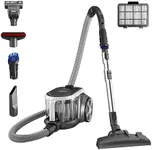
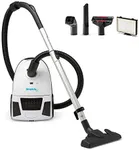
Attachments and AccessoriesAttachments and accessories enhance the versatility of a vacuum, allowing you to clean different surfaces and hard-to-reach areas. Common attachments include crevice tools, dusting brushes, and upholstery tools. Consider what types of surfaces and areas you need to clean. If you have a variety of surfaces, such as carpets, hard floors, and furniture, look for a vacuum with a comprehensive set of attachments. For more specialized cleaning needs, such as pet hair removal, ensure the vacuum includes specific tools designed for that purpose.
Cord Length and RetractabilityCord length determines how far you can move the vacuum without needing to switch power outlets. This is important for convenience and efficiency, especially in larger homes. Cord length typically ranges from 15 to 30 feet. For larger spaces, a longer cord is beneficial to reduce the need for frequent unplugging and replugging. Additionally, consider models with retractable cords for easy storage and to prevent tangling.