Buying Guide for the Best commercial grade rat poisons
Choosing the right commercial-grade rat poison is crucial for effectively managing a rodent problem. The right product can help you eliminate rats quickly and safely, while the wrong one might be ineffective or even dangerous. When selecting a rat poison, it's important to consider several key specifications to ensure you pick the best fit for your needs. Here are the key specs to look at and how to navigate them.Active IngredientThe active ingredient is the chemical compound that kills the rats. This is important because different active ingredients work in different ways and have varying levels of effectiveness. Common active ingredients include bromadiolone, brodifacoum, and diphacinone. Bromadiolone and brodifacoum are anticoagulants that cause internal bleeding, while diphacinone is a slower-acting anticoagulant. If you need quick results, a fast-acting ingredient like bromadiolone might be best. For a more controlled approach, diphacinone could be suitable.
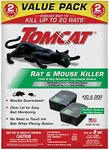
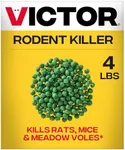
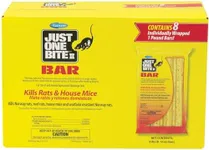
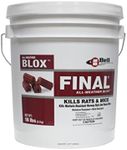
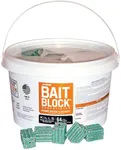
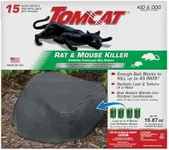
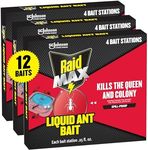
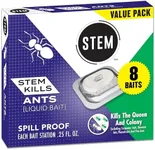
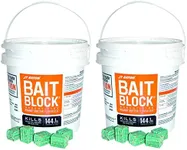
FormulationRat poisons come in various formulations such as pellets, blocks, and liquid baits. This is important because the formulation affects how the poison is used and how attractive it is to rats. Pellets are easy to scatter in infested areas, blocks are durable and can be secured in bait stations, and liquid baits are useful in dry environments where rats need water. Choose a formulation based on the environment and the behavior of the rats you are dealing with.
Toxicity LevelThe toxicity level indicates how potent the poison is. This is crucial for safety reasons, especially if you have pets or children around. High-toxicity poisons are very effective but can be dangerous if not handled properly. Lower-toxicity options might be safer but could require more time to be effective. Consider the safety of your household and the severity of the infestation when choosing the toxicity level.
Secondary Poisoning RiskSecondary poisoning occurs when a non-target animal, like a pet or wildlife, eats a poisoned rat. This is important because it can lead to unintended harm. Some poisons have a higher risk of secondary poisoning than others. If you are concerned about this, look for products that minimize this risk, such as those with lower toxicity or those designed to be less attractive to non-target animals.
Weather ResistanceWeather resistance refers to how well the poison holds up in different environmental conditions. This is important if you are placing the poison outdoors. Some poisons are formulated to withstand moisture and extreme temperatures, making them more effective in various weather conditions. If you are dealing with an outdoor infestation, choose a weather-resistant product to ensure it remains effective.
Ease of UseEase of use refers to how simple it is to apply the poison. This is important because a product that is difficult to use might not be applied correctly, reducing its effectiveness. Look for products with clear instructions and convenient application methods. If you are new to using rat poison, a product with straightforward usage guidelines will be easier to handle.