Buying Guide for the Best Comfortable Cycling Shoes
Choosing the right cycling shoes is crucial for ensuring comfort, performance, and safety during your rides. The right pair can make a significant difference in your cycling experience, whether you're a casual rider or a serious cyclist. When selecting cycling shoes, consider factors such as fit, type of cycling, and the specific features that will best meet your needs. Here are some key specifications to look out for and how to navigate them.FitFit is the most important aspect of cycling shoes. A well-fitting shoe should be snug but not too tight, providing support without causing discomfort. Cycling shoes come in various widths and sizes, so it's essential to try them on and ensure they match the shape of your foot. If you have wider feet, look for brands that offer wide sizes. The right fit will prevent blisters and hotspots, making your rides more enjoyable.
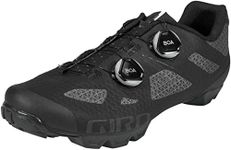
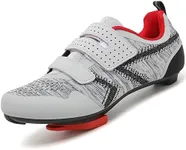
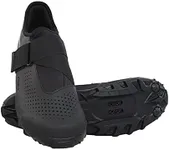
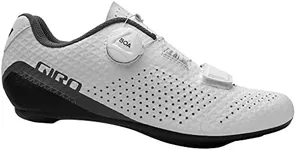
Closure SystemThe closure system of cycling shoes can affect both comfort and performance. Common types include Velcro straps, ratchet buckles, and BOA dials. Velcro straps are easy to adjust and provide a secure fit, making them ideal for casual riders. Ratchet buckles offer more precise adjustments and are suitable for more serious cyclists. BOA dials provide the most precise fit and are often found on high-end shoes. Choose a closure system that allows you to adjust the fit easily and securely.
Sole StiffnessSole stiffness is important for efficient power transfer from your legs to the pedals. Stiffer soles are better for performance as they reduce energy loss, but they can be less comfortable for long rides. Soles are typically made from materials like nylon, carbon fiber, or composite. Nylon soles are more flexible and comfortable, suitable for casual riders. Carbon fiber soles are very stiff and lightweight, ideal for competitive cyclists. Composite soles offer a balance between stiffness and comfort. Consider your riding style and choose a sole stiffness that matches your needs.
VentilationVentilation in cycling shoes helps keep your feet cool and dry, which is crucial for comfort, especially on long rides or in hot weather. Shoes with good ventilation have mesh panels or perforations that allow air to circulate. If you often ride in warm conditions, look for shoes with ample ventilation. For colder climates, you might prefer shoes with less ventilation to keep your feet warm.
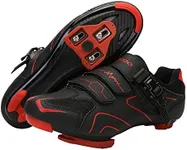
Cleat CompatibilityCleat compatibility refers to the type of pedal system the shoes can work with. The two main types are SPD (two-bolt) and SPD-SL (three-bolt). SPD cleats are typically used for mountain biking and casual riding, offering easier walking. SPD-SL cleats are used for road cycling and provide a larger contact area for better power transfer. Ensure the shoes you choose are compatible with your pedals and riding style.
WeightThe weight of cycling shoes can affect your performance and comfort. Lighter shoes reduce the overall weight you need to lift with each pedal stroke, which can be beneficial for long rides and competitive cycling. However, lighter shoes can sometimes compromise on durability and support. If you're a casual rider, the weight might not be as critical, but for serious cyclists, lighter shoes can enhance performance.