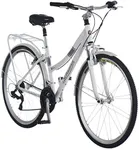
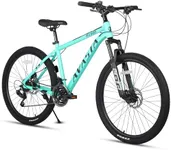
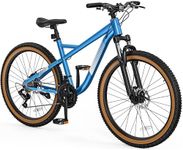
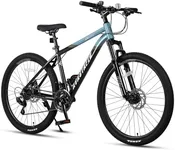
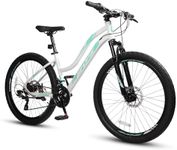
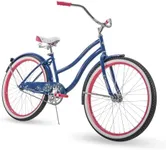
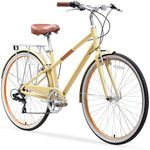
Buying Guide for the Best Comfort Bikes For Women
Choosing the right comfort bike for women involves understanding your specific needs and preferences. Comfort bikes are designed for casual riding, offering a relaxed and upright riding position. They are perfect for leisurely rides around the neighborhood, commuting, or light trail use. To find the best fit, consider the following key specifications and how they align with your riding style and comfort requirements.Frame MaterialThe frame material of a bike affects its weight, durability, and ride quality. Common materials include aluminum, steel, and carbon fiber. Aluminum frames are lightweight and resistant to rust, making them a popular choice for comfort bikes. Steel frames are heavier but offer a smoother ride due to their flexibility. Carbon fiber frames are the lightest and provide excellent shock absorption but are more expensive. Choose a frame material based on your preference for weight, ride quality, and budget.
Frame SizeFrame size is crucial for ensuring a comfortable and efficient ride. It is typically measured in inches or centimeters and corresponds to the length of the seat tube. To find the right size, consider your height and inseam length. Most manufacturers provide size charts to help you choose the correct frame size. A properly sized bike will allow you to reach the handlebars comfortably and place your feet flat on the ground when stopped.
SuspensionSuspension systems on comfort bikes can be found on the front fork, seat post, or both. They help absorb shocks from rough terrain, providing a smoother ride. Front suspension forks are common and are suitable for light off-road use. Seat post suspensions add extra comfort by cushioning the rider from bumps. If you plan to ride on uneven surfaces or want extra comfort, look for a bike with suspension features.
SaddleThe saddle, or seat, is a key component for comfort. Comfort bikes typically have wider, more cushioned saddles to provide support during leisurely rides. Some saddles also feature springs or gel padding for added comfort. When choosing a saddle, consider the width and padding that feels most comfortable for you. Test different options if possible to find the one that best suits your body and riding style.
HandlebarsHandlebars on comfort bikes are designed to promote an upright riding position, reducing strain on the back and shoulders. Common types include flat bars, riser bars, and swept-back bars. Flat bars offer a straightforward grip, riser bars provide a higher hand position, and swept-back bars allow for a more relaxed wrist angle. Choose handlebars that feel comfortable and provide good control based on your riding preferences.
GearingGearing on comfort bikes can range from single-speed to multiple gears. Single-speed bikes are simple and low-maintenance, ideal for flat terrain. Bikes with multiple gears offer more versatility, allowing you to tackle hills and varied terrain with ease. Consider the terrain you will be riding on and your fitness level when choosing the gearing. If you plan to ride on hilly routes, opt for a bike with a wider range of gears.
BrakesBrakes are essential for safety and control. Common types include rim brakes and disc brakes. Rim brakes are lighter and easier to maintain, suitable for casual riding on paved surfaces. Disc brakes offer stronger stopping power and perform better in wet conditions, making them ideal for varied terrain and weather. Choose the brake type that matches your riding conditions and preference for maintenance.
TiresTires on comfort bikes are typically wider and have a tread pattern that balances grip and smooth rolling. Wider tires provide better stability and cushioning, making them ideal for casual rides on mixed surfaces. Look for tires with puncture protection if you plan to ride on rougher paths. Choose tire width and tread based on the type of terrain you will be riding on most frequently.