Buying Guide for the Best Chronological Study Bibles
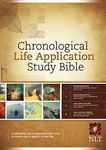
Choosing the right chronological study Bible can greatly enhance your understanding and appreciation of the scriptures. A chronological study Bible arranges the text in the order that events actually occurred, which can provide a more coherent narrative and deeper insight into the historical context. When selecting a chronological study Bible, it's important to consider several key specifications to ensure it meets your needs and preferences. Here are the key specs to consider and how to navigate them.TranslationThe translation of a Bible refers to the version of the text and how it has been rendered from the original languages (Hebrew, Aramaic, and Greek) into English. This is important because different translations can vary in readability, accuracy, and style. Common translations include the New International Version (NIV), King James Version (KJV), and New Living Translation (NLT). If you prefer a more literal translation, you might choose the KJV or the English Standard Version (ESV). For easier readability, the NIV or NLT might be better. Consider your comfort with the language and your purpose for reading when choosing a translation.
Study Notes and CommentaryStudy notes and commentary provide additional context, explanations, and interpretations of the biblical text. This is important for deeper understanding and for connecting the historical and cultural background to the scripture. Some Bibles have extensive notes and commentary, while others have minimal. If you are looking for in-depth study, choose a Bible with comprehensive notes and commentary. If you prefer to focus on the text itself with occasional insights, a Bible with fewer notes might be more suitable.
Layout and DesignThe layout and design of a Bible can affect how easy it is to read and navigate. This includes the size of the text, the presence of cross-references, and the overall organization of the content. A well-designed layout can make your study more enjoyable and less straining on the eyes. If you have difficulty reading small print, look for a Bible with larger text. If you like to cross-reference passages, choose one with clear and accessible cross-references. Consider your reading habits and preferences when evaluating the layout and design.
Additional FeaturesAdditional features in a chronological study Bible can include maps, timelines, charts, and articles. These features can provide valuable context and help you visualize the events and places described in the Bible. If you are a visual learner or enjoy having supplementary materials, look for a Bible that includes these features. If you prefer a more straightforward reading experience, you might opt for a Bible with fewer additional features. Think about how these extras will enhance your study and choose accordingly.
Binding and DurabilityThe binding and durability of a Bible are important for ensuring it lasts through regular use. This includes the type of cover (hardcover, leather, paperback), the quality of the binding, and the paper used. A durable Bible will withstand frequent handling and travel. If you plan to use your Bible often and take it with you, consider one with a sturdy cover and strong binding. If it will mostly stay at home, a less durable option might suffice. Consider how and where you will use your Bible when choosing the binding and durability.