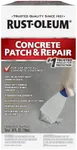
Buying Guide for the Best Cement Based Concrete Crack Fillers
Choosing the right cement-based concrete crack filler is essential for ensuring the longevity and durability of your concrete surfaces. Whether you're dealing with small hairline cracks or larger structural issues, the right product can make a significant difference in the outcome of your repair work. To make an informed decision, it's important to understand the key specifications and how they relate to your specific needs. Here are the main factors to consider when selecting a concrete crack filler.Crack Size CompatibilityCrack size compatibility refers to the range of crack widths that a filler can effectively repair. This is important because using a filler that is not suitable for the size of the crack can result in poor adhesion and ineffective repairs. Crack fillers are generally categorized for small (hairline to 1/4 inch), medium (1/4 inch to 1/2 inch), and large (over 1/2 inch) cracks. To choose the right one, measure the width of the cracks you need to fill and select a product that specifies it can handle those dimensions.
Setting TimeSetting time is the duration it takes for the crack filler to harden and become ready for use. This is crucial because it affects how quickly you can complete your repair project and return the surface to normal use. Setting times can range from a few minutes to several hours. Quick-setting fillers are ideal for urgent repairs or areas with high traffic, while slower-setting fillers may be better for larger projects where you need more working time to apply the product properly.
FlexibilityFlexibility refers to the ability of the crack filler to expand and contract with the concrete as it undergoes temperature changes and other environmental stresses. This is important for preventing the filler from cracking or breaking away from the concrete over time. Flexible fillers are typically made with additives that allow them to move with the concrete. If your concrete surface is exposed to significant temperature fluctuations or heavy loads, a more flexible filler will provide better long-term performance.
DurabilityDurability is the measure of how well the crack filler can withstand wear and tear over time. This includes resistance to weather, chemicals, and physical abrasion. Durable fillers are essential for outdoor surfaces or areas that experience heavy use. To choose a durable filler, look for products that are specifically formulated for high-traffic areas or harsh environmental conditions. Reading product reviews and manufacturer specifications can also give you an idea of the filler’s longevity.
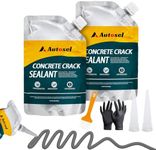
Ease of ApplicationEase of application refers to how simple and straightforward it is to use the crack filler. This can include factors like the consistency of the product, the type of applicator required, and the overall process of filling the cracks. Some fillers come in easy-to-use tubes or cartridges, while others may require mixing and more complex application methods. If you are a DIY enthusiast or have limited experience with concrete repairs, choosing a product with straightforward application instructions and tools can make the process much easier.
Color MatchColor match is the ability of the crack filler to blend in with the existing concrete surface. This is important for aesthetic reasons, especially if the repaired area is highly visible. Crack fillers come in various shades of gray and other colors to match different types of concrete. To achieve the best color match, compare the filler’s color options with your concrete surface and choose the one that closely resembles it. Some fillers can also be painted over once they are set, providing additional flexibility in achieving a seamless look.