Buying Guide for the Best Catholic Study Bibles
Choosing the right Catholic study Bible can greatly enhance your understanding and appreciation of the Scriptures. A study Bible not only includes the text of the Bible itself but also provides additional resources such as commentary, historical context, and theological insights. When selecting a Catholic study Bible, it's important to consider several key specifications to ensure it meets your needs and preferences. Here are some important factors to consider and how to navigate them.TranslationThe translation of the Bible is crucial because it affects how you understand the text. Different translations can vary in their readability and faithfulness to the original manuscripts. Common Catholic translations include the New American Bible (NAB), the Revised Standard Version Catholic Edition (RSV-CE), and the Douay-Rheims Bible. If you prefer a more modern and accessible language, the NAB might be suitable. For a more traditional and literal translation, the Douay-Rheims could be a better fit. Consider your comfort with the language and your purpose for reading when choosing a translation.
Commentary and NotesCommentary and notes provide explanations and insights into the biblical text, helping you to understand the context, meaning, and application of the Scriptures. Some study Bibles offer extensive commentary from renowned theologians and scholars, while others provide more concise notes. If you are looking for in-depth study and theological insights, opt for a Bible with comprehensive commentary. If you prefer a simpler, more straightforward approach, a Bible with brief notes might be more appropriate. Think about how much additional information you want alongside the biblical text.
Additional ResourcesMany Catholic study Bibles include additional resources such as maps, timelines, concordances, and articles on various theological topics. These resources can be very helpful for deepening your understanding of the historical and cultural context of the Bible. If you enjoy exploring these aspects, look for a study Bible that offers a rich array of supplementary materials. If you prefer to focus solely on the biblical text and commentary, a Bible with fewer additional resources might be sufficient. Consider what kind of supplementary information will enhance your study experience.
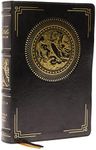
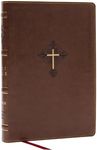
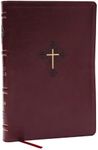
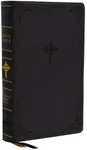
Binding and DurabilityThe binding and durability of a study Bible are important, especially if you plan to use it frequently or take it with you on the go. Study Bibles come in various bindings, including hardcover, leather, and paperback. Hardcover and leather bindings tend to be more durable and can withstand regular use, while paperback editions are often lighter and more portable. Think about how you will use your Bible and choose a binding that suits your lifestyle and preferences. A durable binding can ensure that your Bible lasts for many years.
Size and PortabilityThe size and portability of a study Bible can affect how and where you use it. Larger Bibles with extensive commentary and additional resources can be quite heavy and may be best suited for home study. Smaller, more compact Bibles are easier to carry and can be convenient for travel or use in church. Consider where and how you plan to use your study Bible and choose a size that fits your needs. If you need a Bible that you can easily take with you, opt for a more portable edition.
Print Size and LayoutThe print size and layout of a study Bible can impact your reading experience. Larger print sizes are easier on the eyes and can be helpful if you have difficulty reading small text. The layout, including the arrangement of text, notes, and commentary, can also affect readability. Some Bibles have a single-column layout, while others use a double-column format. Choose a print size and layout that you find comfortable and easy to read. If you plan to spend a lot of time reading and studying, a clear and readable format is essential.