Buying Guide for the Best Cat Litters For Odor Control
Choosing the right cat litter for odor control is essential for maintaining a fresh and pleasant environment in your home. The right cat litter can effectively neutralize odors, making it more comfortable for both you and your feline friend. When selecting a cat litter, consider the following key specifications to ensure you find the best fit for your needs.Odor ControlOdor control is the primary function of cat litter, especially if you have multiple cats or a small living space. This spec refers to the litter's ability to neutralize or mask the smell of cat waste. Litters with strong odor control often contain additives like baking soda, activated charcoal, or specific fragrances. If you are sensitive to smells or have a busy household, look for litters that are specifically labeled for superior odor control. For those who prefer a more natural approach, unscented litters with natural odor-absorbing materials can be a good choice.
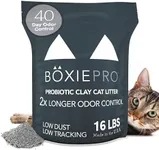
Clumping AbilityClumping ability refers to how well the litter forms solid clumps when it comes into contact with moisture. This is important because it makes it easier to scoop out waste, keeping the litter box cleaner for longer. Clumping litters are typically made from materials like bentonite clay. If you prefer easy maintenance and quick clean-up, a litter with strong clumping ability is ideal. Non-clumping litters, on the other hand, may require more frequent changes but can be a good option for those who prefer a different texture or have cats with specific preferences.
Dust LevelsDust levels refer to the amount of dust that is produced when the litter is poured or when your cat digs in it. High levels of dust can be irritating to both you and your cat, especially if anyone in the household has respiratory issues. Low-dust or dust-free litters are made from materials that minimize airborne particles. If you or your cat have allergies or asthma, choosing a low-dust litter is crucial. For general use, a litter with moderate dust levels may be acceptable, but always consider the health and comfort of your household.
Material TypeCat litters come in various materials, including clay, silica gel, recycled paper, and natural options like wood or corn. Each material has its own benefits and drawbacks. Clay litters are popular for their clumping ability and odor control but can be heavy and dusty. Silica gel litters are lightweight and offer excellent odor control but can be more expensive. Natural litters are eco-friendly and biodegradable but may not clump as well. Consider your priorities, such as environmental impact, ease of use, and your cat's preferences, when choosing the material type.
ScentScented litters contain added fragrances to help mask odors, while unscented litters rely on their natural odor-absorbing properties. Scented litters can be effective at controlling smells but may be overwhelming for some cats and humans. If you or your cat are sensitive to strong smells, an unscented litter might be a better choice. On the other hand, if you need extra help with odor control and don't mind the added fragrance, a scented litter could be beneficial. Always monitor your cat's reaction to the litter, as some cats may avoid using a litter box with a scent they dislike.
TrackingTracking refers to how much litter gets stuck to your cat's paws and is carried outside the litter box. High-tracking litters can create a mess around your home, while low-tracking litters are designed to minimize this issue. If you want to keep your floors clean and reduce the amount of litter you need to sweep up, look for a low-tracking litter. Some litters are specifically formulated to reduce tracking, often with larger granules or special coatings. Consider your tolerance for cleaning up stray litter and your cat's behavior when selecting a litter with the right tracking level.