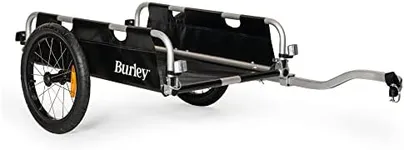
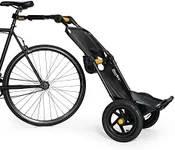
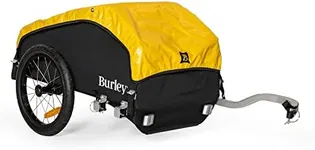
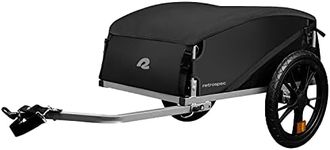
Buying Guide for the Best Cargo Bike Trailers
Choosing the right cargo bike trailer can make a significant difference in your biking experience, whether you're using it for daily errands, transporting kids, or going on long trips. The key is to understand your specific needs and how different features of the trailer can meet those needs. Here are some important specifications to consider when selecting a cargo bike trailer.Weight CapacityWeight capacity refers to the maximum load the trailer can safely carry. This is crucial because overloading a trailer can make it difficult to handle and potentially unsafe. Trailers typically range from 50 to 150 pounds in capacity. If you plan to carry heavy groceries or multiple children, opt for a higher capacity. For lighter loads, a lower capacity will suffice and may be easier to maneuver.
Trailer SizeThe size of the trailer includes both its dimensions and its storage space. This is important because it affects how much you can carry and how easy it is to store the trailer when not in use. Smaller trailers are more compact and easier to store but may not hold as much. Larger trailers offer more space but can be bulkier and harder to navigate through tight spaces. Consider what you plan to carry and where you will store the trailer when choosing the size.
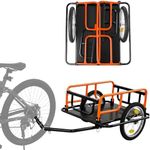
Hitch SystemThe hitch system is how the trailer attaches to your bike. A good hitch system is secure and easy to use, ensuring that the trailer stays attached even on bumpy roads. There are different types of hitches, such as axle-mounted and seat post-mounted. Axle-mounted hitches are generally more stable and suitable for heavier loads, while seat post-mounted hitches are easier to attach and detach. Choose a hitch system that is compatible with your bike and suits your loading needs.
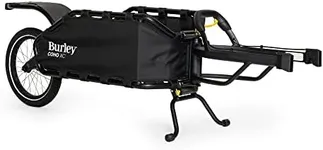
Wheel Type and SizeThe type and size of the wheels affect the trailer's stability and ease of movement. Larger wheels (16-20 inches) provide better stability and can handle rough terrain more effectively, making them ideal for off-road or long-distance use. Smaller wheels are lighter and more maneuverable, suitable for city use and smoother surfaces. Consider where you will be riding most often to determine the best wheel type and size for your needs.
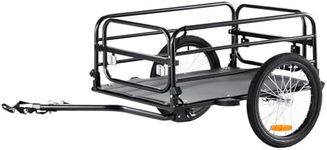
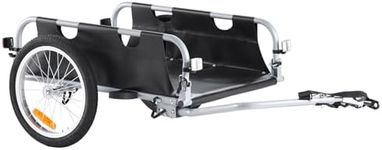
Material and DurabilityThe material of the trailer affects its durability and weight. Common materials include steel, aluminum, and fabric. Steel is very durable but heavier, making it suitable for heavy-duty use. Aluminum is lighter and resistant to rust, offering a good balance between durability and weight. Fabric trailers are the lightest and easiest to store but may not be as durable. Think about how often you will use the trailer and in what conditions to choose the right material.
Weather ProtectionWeather protection features, such as rain covers and UV protection, are important if you plan to use the trailer in various weather conditions. A trailer with good weather protection will keep your cargo dry and safe from the elements. If you live in an area with frequent rain or strong sun, look for trailers with built-in weather protection. For occasional use in mild weather, this may be less of a priority.
Ease of Assembly and StorageHow easy it is to assemble and store the trailer can greatly affect your overall experience. Some trailers come with quick-release wheels and foldable frames, making them easy to set up and store. If you have limited storage space or plan to frequently attach and detach the trailer, look for models that offer these convenient features. For more permanent setups, ease of assembly may be less critical.