Buying Guide for the Best Canon Printer
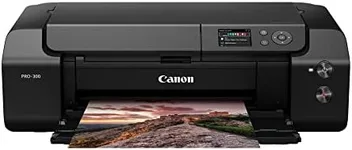
Choosing the right Canon printer involves understanding your specific needs and matching them with the printer's features. Whether you need a printer for home, office, or professional use, it's important to consider factors like print quality, speed, connectivity, and additional functionalities. By evaluating these key specifications, you can find a printer that best fits your requirements and ensures a smooth printing experience.Print Quality (Resolution)Print quality is measured in dots per inch (DPI). Higher DPI means better print quality, which is important for printing detailed images and professional documents. For general home use, a resolution of 600x600 DPI is usually sufficient. For high-quality photo printing, look for printers with at least 1200x1200 DPI. If you need to print professional graphics or detailed images, consider models with even higher resolutions.
Print SpeedPrint speed is measured in pages per minute (PPM). This spec indicates how quickly a printer can produce documents. For occasional home use, a speed of 10-20 PPM is adequate. For office environments where large volumes of documents are printed, look for printers with speeds of 20-40 PPM or higher. Your choice should depend on how often and how quickly you need to print documents.
Connectivity OptionsConnectivity options determine how you can connect your devices to the printer. Common options include USB, Wi-Fi, Ethernet, and Bluetooth. For home use, Wi-Fi connectivity is convenient for wireless printing from multiple devices. In an office setting, Ethernet connectivity ensures stable and fast connections. If you need to print directly from mobile devices, look for printers with Bluetooth or mobile printing capabilities.
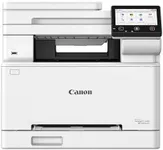
MultifunctionalityMultifunction printers (MFPs) can print, scan, copy, and sometimes fax. This is useful if you need to perform multiple tasks with one device. For home use, a basic MFP with print, scan, and copy functions is usually sufficient. In a business environment, having a printer that also faxes and offers advanced scanning features can be very beneficial. Consider what additional functions you need before making a decision.
Paper HandlingPaper handling refers to the types and sizes of paper a printer can accommodate, as well as its paper capacity. For general home use, a printer that handles standard letter and legal sizes with a capacity of 100-150 sheets is usually enough. For office use, look for printers that can handle larger capacities (250 sheets or more) and a variety of paper sizes and types, including envelopes and labels. If you print a lot of documents, automatic duplex printing (double-sided printing) can save time and paper.
Ink/Toner Cost and YieldThe cost and yield of ink or toner cartridges can significantly affect the overall cost of owning a printer. Yield refers to the number of pages a cartridge can print before needing replacement. For occasional printing, standard yield cartridges are usually sufficient. For frequent or high-volume printing, look for printers that offer high-yield or XL cartridges, which can print more pages and reduce the frequency of replacements. Consider the cost of replacement cartridges and how often you'll need to replace them when choosing a printer.
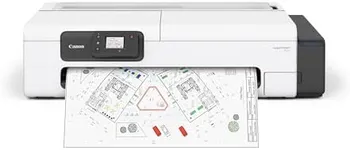
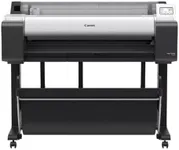
Size and DesignThe size and design of a printer can affect where you can place it and how it fits into your space. For home use, a compact and lightweight printer is often preferred, especially if space is limited. In an office setting, a larger, more robust printer may be necessary to handle higher volumes and additional functions. Consider the space you have available and how the printer's design will fit into your environment.