Buying Guide for the Best Butter Churns
Choosing the right butter churn can make a significant difference in the quality and ease of your butter-making process. When selecting a butter churn, it's important to consider several key specifications to ensure you get a product that fits your needs and preferences. Understanding these specifications will help you make an informed decision and enjoy the best butter-making experience.CapacityCapacity refers to the amount of cream the butter churn can hold at one time. This is important because it determines how much butter you can make in a single batch. Capacities can range from small, personal-sized churns that hold a few cups of cream to large, commercial-sized churns that can handle several gallons. If you only need to make small amounts of butter for personal use, a smaller capacity churn will suffice. However, if you plan to make larger quantities for a family or for sale, a larger capacity churn will be more efficient.
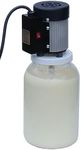
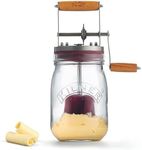
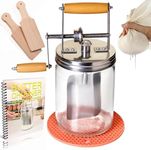
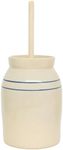
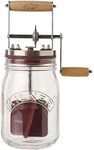
TypeThere are different types of butter churns, including manual, electric, and hand-crank models. The type of churn you choose will affect the effort and time required to make butter. Manual churns require physical effort and are often more traditional, making them a good choice for those who enjoy a hands-on approach. Electric churns are more convenient and require less effort, making them ideal for those who want a quicker and easier process. Hand-crank churns offer a middle ground, providing a traditional experience with less physical strain. Consider your preference for manual labor versus convenience when choosing the type of churn.
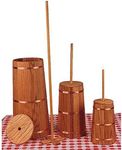
MaterialButter churns can be made from various materials, including wood, glass, and stainless steel. The material affects the durability, ease of cleaning, and aesthetic appeal of the churn. Wooden churns have a rustic, traditional look but may require more maintenance to prevent cracking and warping. Glass churns allow you to see the butter-making process and are easy to clean, but they can be fragile. Stainless steel churns are durable, easy to clean, and have a modern appearance. Choose a material that fits your aesthetic preferences and maintenance capabilities.
Ease of CleaningEase of cleaning is an important consideration because butter-making can be a messy process. Churns with simple designs and fewer parts are generally easier to clean. Look for churns with removable parts that can be easily washed and dried. Some churns are dishwasher safe, which can save time and effort. If you prefer a low-maintenance option, choose a churn that is easy to disassemble and clean thoroughly.
DurabilityDurability refers to how well the butter churn can withstand regular use over time. A durable churn will last longer and provide better value. Consider the quality of the materials and construction when evaluating durability. Stainless steel and high-quality wood are generally more durable than plastic or low-quality materials. If you plan to use the churn frequently, investing in a durable model will ensure it holds up to regular use.
Size and StorageThe size of the butter churn is important for both usage and storage. Larger churns may be more efficient for making large batches of butter but can take up more space in your kitchen. Smaller churns are easier to store but may require more frequent use if you need larger quantities of butter. Consider the available space in your kitchen and how often you plan to use the churn when choosing the size. A compact, easy-to-store churn may be more practical for occasional use, while a larger churn may be better for frequent, high-volume butter making.