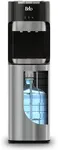
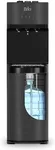
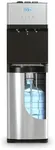
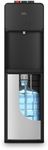
Buying Guide for the Best Bottom Load Water Dispensers
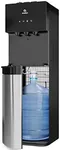
Choosing the right bottom-load water dispenser can significantly enhance your convenience and hydration experience. Bottom-load water dispensers are designed to make it easier to replace water bottles without the need to lift heavy containers. When selecting a bottom-load water dispenser, it's important to consider several key specifications to ensure you get the best fit for your needs. Here are the key specs to look out for and how to navigate them.Cooling and Heating CapabilitiesThis spec refers to the dispenser's ability to provide both cold and hot water. It's important because it determines the versatility of the dispenser for different uses, such as making tea or having a refreshing cold drink. Dispensers typically offer cold, hot, and sometimes room temperature water. If you frequently need hot water for beverages or cooking, ensure the dispenser has a reliable heating element. For those who enjoy cold water, check the cooling capacity. Choose a model that matches your daily water temperature preferences.
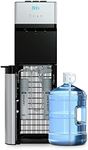
Water Bottle CompatibilityThis spec indicates the types and sizes of water bottles that the dispenser can accommodate. It's important because it affects the ease of finding and replacing water bottles. Most bottom-load dispensers are compatible with standard 3- and 5-gallon bottles. Ensure the dispenser you choose can fit the bottle sizes you plan to use. If you have a preferred water brand or bottle size, verify compatibility to avoid any inconvenience.
Filtration SystemSome bottom-load water dispensers come with built-in filtration systems to purify the water. This is important for ensuring the water you drink is clean and safe. Filtration systems can vary from basic carbon filters to more advanced multi-stage filters. If water quality is a concern, look for a dispenser with a robust filtration system. Consider your local water quality and choose a filtration level that meets your health and taste preferences.
Energy EfficiencyEnergy efficiency refers to how much power the dispenser uses to heat and cool water. This is important for managing electricity costs and environmental impact. Dispensers with Energy Star ratings are generally more efficient. If you are conscious about energy consumption, look for models with energy-saving features such as sleep modes or timers. Choose a dispenser that balances performance with energy efficiency to suit your usage patterns.
Noise LevelThis spec refers to the amount of noise the dispenser makes during operation. It's important for maintaining a quiet environment, especially in homes or offices. Noise levels can vary significantly between models. If you are sensitive to noise or plan to place the dispenser in a quiet area, look for models that are specifically designed to operate quietly. Consider where you will place the dispenser and choose one with an acceptable noise level for that setting.
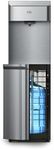
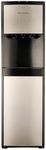
Design and AestheticsThis spec covers the appearance and build quality of the dispenser. It's important because it affects how well the dispenser fits into your space and complements your decor. Dispensers come in various styles, colors, and finishes. If the look of the dispenser matters to you, choose a design that matches your interior. Consider the size and shape to ensure it fits well in the intended location.
Ease of Use and MaintenanceThis spec refers to how user-friendly the dispenser is and how easy it is to maintain. It's important for ensuring a hassle-free experience. Features like easy-to-use controls, clear indicators, and simple bottle loading mechanisms enhance usability. Maintenance aspects include how easy it is to clean and replace filters. If you prefer low-maintenance appliances, look for models with self-cleaning features or easy access to parts that need regular cleaning. Choose a dispenser that aligns with your preference for convenience and upkeep.